Dizzy After Workout What to Do: Quick Answer and Immediate Steps
If you’ve ever finished a workout and suddenly felt lightheaded, unsteady, or like the room was spinning, you’re not alone. Many people experience this at least once, especially beginners and those training intensely. Having an answer to the question dizzy after workout what to do can help you respond quickly, stay safe, and recover properly so your fitness progress stays on track.
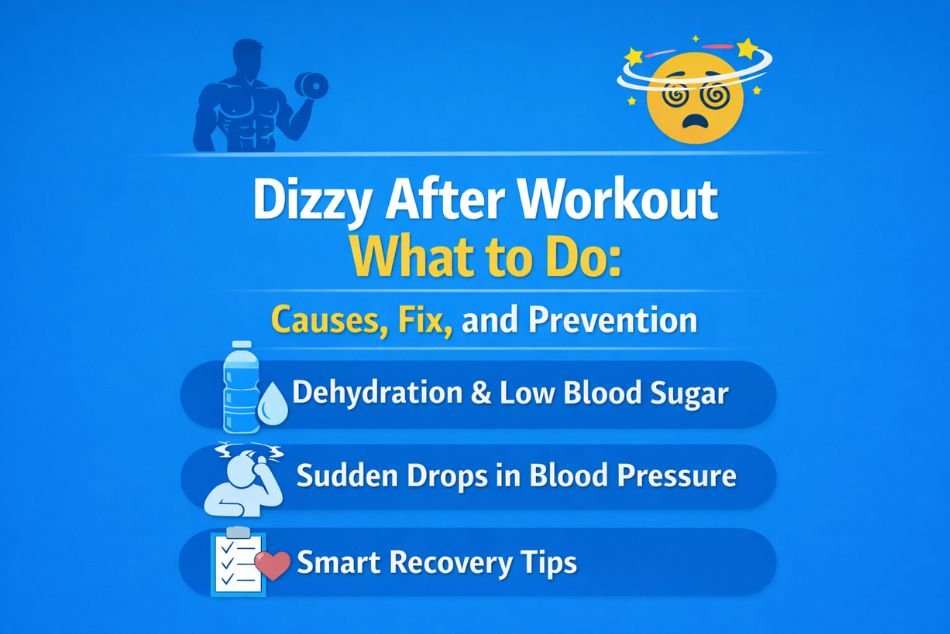
Dizziness after exercise is often caused by dehydration, low blood sugar, sudden blood pressure changes, or improper breathing. While it can feel concerning in the moment, the good news is that in most cases it’s temporary and manageable. With proper hydration, nutrition, and training habits, you can prevent it and continue progressing safely.
This guide explains everything you need to know, especially if you’re serious about bodybuilding, strength training, or improving your fitness level.
Immediate Steps to Take if You Feel Dizzy After a Workout
The moment you feel dizzy, your priority should be safety and stabilization. Ignoring dizziness can increase your risk of fainting, falling, or injury.
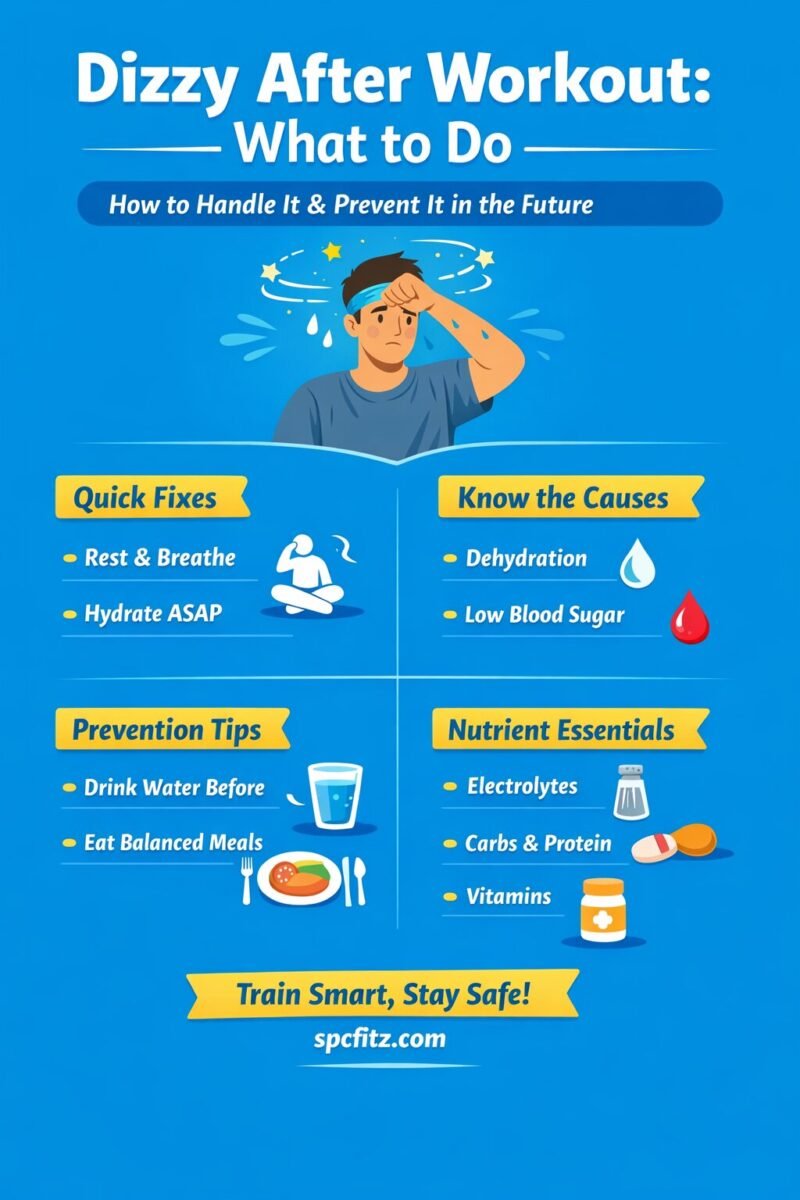
1) Stop Exercise Immediately
Continuing to push through dizziness is dangerous. Sit or lie down right away. This helps restore proper blood flow to your brain.
If possible, lie down and elevate your legs slightly. This improves circulation and helps stabilize blood pressure faster.
2) Focus on Slow, Controlled Breathing
Rapid or shallow breathing can worsen dizziness. Take slow, deep breaths through your nose and exhale calmly through your mouth.
This helps restore oxygen balance and calms your nervous system.
3) Drink Water or Electrolytes
Dehydration is one of the most common causes of dizziness. Drink water slowly. If your workout was intense or you sweated heavily, electrolyte drinks are even better.
Electrolytes like sodium, potassium, and magnesium help regulate muscle and nerve function.
4) Cool Your Body Down
If overheating caused dizziness, move to a cooler environment. Use a fan, sit in shade, or splash cool water on your face.
This helps normalize body temperature and reduces stress on your cardiovascular system.
5) Eat Something Light if Needed
If your dizziness is caused by low blood sugar, consuming fast-digesting carbs like:
- Banana
- Fruit juice
- Dates
- Energy bar
can help restore glucose levels quickly.
These immediate actions usually resolve symptoms within minutes.
Why Dizziness Happens After Exercise
Understanding the causes is essential for prevention. Dizziness is your body’s signal that something is temporarily out of balance.
1) Dehydration
Dehydration reduces blood volume. Less blood circulating means less oxygen reaching your brain.
This leads to symptoms like:
- Lightheadedness
- Weakness
- Fatigue
- Blurred vision
Even losing 2 percent of your body weight in water can impact performance and cause dizziness.
Bodybuilders and intense trainees are at higher risk because they sweat more.
2) Low Blood Sugar (Hypoglycemia)
Your body uses glucose for energy during exercise. If you train without proper nutrition, your blood sugar levels drop.
This is common if you:
- Train fasted
- Skip meals
- Do long workouts
- Follow very low-carb diets
Low blood sugar reduces energy supply to your brain, causing dizziness.
3) Sudden Drop in Blood Pressure
This is called post-exercise hypotension.
During exercise, your blood vessels expand to improve circulation. If you suddenly stop moving without cooling down, blood can pool in your legs.
This reduces blood flow to your brain and causes dizziness.
This is especially common after:
- Heavy leg workouts
- Intense cardio
- Sprint training
Cooling down helps prevent this.
4) Overexertion and Pushing Beyond Limits
Training beyond your current fitness level stresses your nervous system and cardiovascular system.
This can cause:
- Oxygen imbalance
- Nervous system fatigue
- Circulatory stress
Beginners often experience this when starting intense programs too quickly.
Progressive overload should always be gradual.
5) Improper Breathing During Exercise
Many people unknowingly hold their breath during lifting.
This is called the Valsalva maneuver.
Holding your breath reduces oxygen supply to your brain and increases pressure in your chest, which can cause dizziness.
Proper breathing is essential.
6) Electrolyte Imbalance
Sweat contains essential minerals:
- Sodium
- Potassium
- Magnesium
- Calcium
Losing too many electrolytes disrupts nerve and muscle function.
This can lead to:
- Dizziness
- Muscle cramps
- Weakness
- Fatigue
This is common in hot climates and intense workouts.
7) Heat Exhaustion
Training in hot environments increases body temperature and dehydration risk.
Symptoms include:
- Dizziness
- Nausea
- Headache
- Weakness
This is more common in outdoor training and poorly ventilated gyms.
Who Is Most Likely to Experience Post-Workout Dizziness
Certain individuals face higher risk.
- Beginners: New trainees have not yet developed cardiovascular efficiency. Their bodies need time to adapt.
- Bodybuilders in Cutting Phase: Calorie restriction reduces energy availability. Low carbs and low calories increase dizziness risk.
- People Training Fasted: Fasted workouts increase fat burning but also increase dizziness risk due to low blood sugar.
- Individuals Doing High-Intensity Training: HIIT, heavy lifting, and intense cardio place high stress on circulation and energy systems.
- People With Poor Hydration Habits: Many people underestimate their hydration needs. Even mild dehydration impacts performance and stability.
Dizzy After Workout What to Do for Long-Term Prevention
Knowing dizzy after workout what to do isn’t just about handling it once and moving on. The real goal is understanding why it happens and preventing it from coming back.
Here are proven prevention strategies.
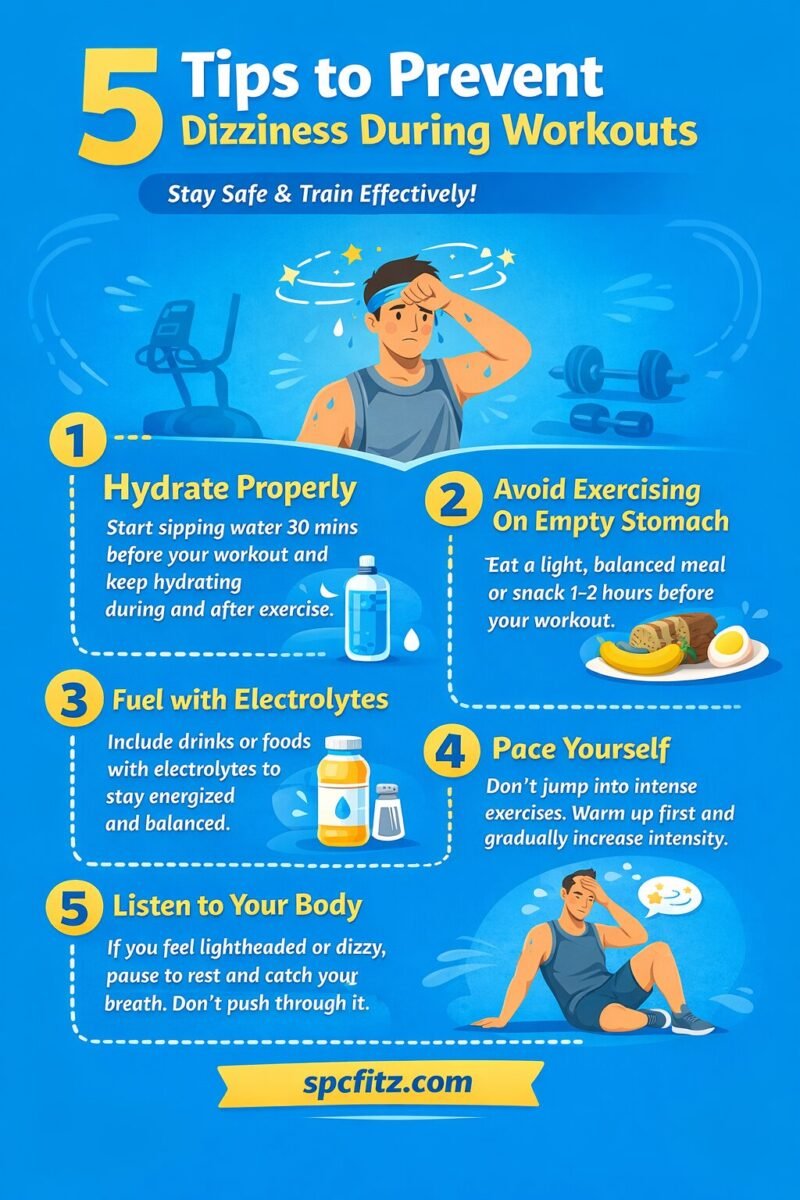
Proper Hydration Strategy
Hydration should start before your workout, not after. Here’s the recommended intake to keep your body properly hydrated:
- Before Workout: 500 ml water 30 to 60 minutes before training
- During Workout: 200 to 300 ml every 15 to 20 minutes
- After Workout: 500 to 750 ml depending on sweat loss
In hot climates or intense training, electrolyte drinks help more than plain water.
Eat Properly Before Training
Your body needs fuel.
Good pre-workout meal options:
- Oats with fruit
- Banana with peanut butter
- Rice and vegetables
- Protein shake with carbs
Eat 60 to 120 minutes before workout.
Avoid training completely empty unless experienced and adapted.
Never Skip Cool Down
Cooling down helps normalize circulation.
Good cool-down activities:
- Light walking for 3 to 5 minutes
- Gentle stretching
- Controlled breathing
This prevents sudden blood pressure drops.
Learn Proper Breathing Technique
Breathing correctly improves oxygen supply.
During lifting:
- Inhale while lowering weight
- Exhale while lifting weight
Never hold your breath unnecessarily.
This reduces dizziness risk significantly.
Improve Cardiovascular Conditioning
Better cardiovascular fitness improves circulation efficiency.
Include:
- Light cardio 2 to 3 times per week
- Walking
- Cycling
- Moderate-intensity cardio
This strengthens your heart and reduces dizziness risk.
Maintain Electrolyte Balance
Electrolytes are critical.
Natural sources include:
- Coconut water
- Bananas
- Spinach
- Yogurt
- Salted foods (in moderation)
Athletes sweating heavily may benefit from electrolyte supplements.
Avoid Extreme Overtraining
More is not always better.
Overtraining causes nervous system fatigue and circulation issues.
Signs of overtraining include:
- Constant fatigue
- Weakness
- Poor performance
- Frequent dizziness
Rest and recovery are essential for progress.
Special Considerations for Bodybuilders and Strength Trainers
Bodybuilders often train intensely, increasing dizziness risk.
Factors include:
- Heavy compound lifts
- Low calorie intake
- Low carb dieting
- Intense cutting phases
If you’re serious about bodybuilding, recovery, hydration, and proper nutrition become essential for safe and consistent progress.
Many experienced lifters learn early how critical it is to understand dizzy after workout what to do, especially during intense training phases.
Proper planning prevents performance decline and protects long-term health.
When Dizziness Is Dangerous
Occasional mild dizziness is usually harmless.
However, seek medical attention if dizziness includes:
- Chest pain
- Severe headache
- Fainting
- Irregular heartbeat
- Confusion
- Blurred vision lasting long
- Frequent episodes
These could indicate serious conditions like:
- Heart problems
- Blood pressure disorders
- Neurological issues
Never ignore persistent symptoms.
Smart Pre-workout Checklist to Prevent Dizziness
Before Workout:
- Drink water
- Eat proper meal
- Sleep well
- Warm up properly
During Workout:
- Stay hydrated
- Breathe properly
- Avoid overexertion
After Workout:
- Cool down
- Rehydrate
- Eat recovery meal
This simple checklist prevents most dizziness cases.
Role of Nutrition in Preventing Dizziness
Nutrition directly affects your performance, energy levels, and overall workout safety. Essential nutrients include:
- Carbohydrates: Primary energy source for brain and muscles.
- Protein: Supports muscle recovery.
- Electrolytes: Maintain nerve and muscle function.
- Fluids: Maintain circulation and oxygen delivery.
Poor nutrition increases dizziness risk significantly.
Supplements That May Help
Not mandatory, but helpful in some cases.
Electrolyte supplements
Help replace lost minerals.
Magnesium
Supports muscle and nerve function.
Sodium
Helps maintain fluid balance.
Carbohydrate supplements
Help maintain blood sugar during long workouts.
Always prioritize natural nutrition first.
Common Mistakes That Cause Post-workout Dizziness
Avoid these mistakes:
- Skipping meals
- Not drinking enough water
- Training too intensely too soon
- Holding breath while lifting
- Not cooling down
- Ignoring recovery
Correcting these improves both safety and performance.
Building Your Body’s Adaptation Over Time
Your body becomes more efficient with consistent training.
Benefits include:
- Improved circulation
- Better oxygen delivery
- Stronger cardiovascular system
- Improved hydration efficiency
Beginners experience dizziness more often, but it reduces as fitness improves.
Consistency is key.
Wrap Up: Staying Safe and Strong in Your Fitness Journey
Experiencing dizziness after exercise can be uncomfortable and concerning, but in most cases, it’s preventable and manageable. The key is understanding your body’s signals and responding appropriately with proper hydration, nutrition, breathing, and recovery. Training smarter always produces better long-term results than pushing recklessly.
If you ever experience symptoms and wonder dizzy after workout what to do, remember that stopping immediately, rehydrating, cooling down, and improving your training habits are the most effective solutions. By prioritizing proper preparation, recovery, and gradual progression, you can train safely, maximize performance, and continue building strength without setbacks.
Frequently Asked Questions (FAQ)
Q1) Is It Normal to Feel Dizzy After a Workout?
Yes, occasional dizziness after a workout is fairly common, especially for beginners or those doing intense training. It usually happens due to dehydration, low blood sugar, sudden drops in blood pressure, or improper breathing. However, frequent or severe dizziness should not be ignored and may require medical evaluation.
Q2) Dizzy After Workout What to Do Immediately?
If you feel dizzy after a workout, stop exercising right away and sit or lie down. Drink water or an electrolyte drink, focus on slow breathing, and allow your body to recover. If you suspect low blood sugar, eat a quick carbohydrate source like a banana or fruit juice. Most symptoms resolve within a few minutes with proper rest and hydration.
Q3) Why Do I Feel Dizzy After Lifting Heavy Weights?
Heavy lifting increases pressure in your chest and can temporarily reduce blood flow to your brain, especially if you hold your breath. This can cause dizziness. Improper breathing, dehydration, and sudden stopping after intense lifting can also contribute to this feeling.
Q4) Can Dehydration Cause Dizziness After Exercise?
Yes, dehydration is one of the most common causes of post-workout dizziness. When your body loses fluids through sweat, your blood volume decreases. This reduces oxygen delivery to your brain, which can make you feel lightheaded or weak. Proper hydration before, during, and after exercise is essential.
Q5) Should I Stop Working Out if I Feel Dizzy?
Yes, you should stop immediately. Continuing to exercise while dizzy increases the risk of fainting, falling, or injury. Rest, hydrate, and allow your body to stabilize before resuming any activity.
Q6) Does Low Blood Sugar Cause Dizziness After Workouts?
Yes, low blood sugar can cause dizziness, especially if you exercise on an empty stomach or haven’t eaten enough carbohydrates. Your brain depends on glucose for energy, and low levels can lead to light-headedness, fatigue, and weakness.
Q7) How Can I Prevent Dizziness During Workouts?
You can prevent dizziness by:
- Drinking enough water
- Eating a proper pre-workout meal
- Breathing correctly during exercise
- Avoiding sudden stops after intense activity
- Cooling down properly
- Maintaining electrolyte balance
These habits improve circulation and energy stability.
Q8) Is Dizziness After Cardio Normal?
Mild dizziness after intense cardio can occur, especially if you stop suddenly. During cardio, blood vessels expand, and stopping abruptly can cause blood to pool in your legs, reducing blood flow to your brain. Cooling down gradually helps prevent this.
Q9) Can Beginners Feel Dizzy More Often?
Yes, beginners experience dizziness more often because their cardiovascular system is not fully adapted to exercise stress. As your fitness level improves, your body becomes more efficient, and dizziness usually decreases.
Q10) When Should I See a Doctor for Dizziness After Exercise?
Consult a doctor if dizziness happens frequently or includes symptoms such as:
- Fainting
- Chest pain
- Irregular heartbeat
- Severe headache
- Blurred vision
- Confusion
These symptoms may indicate underlying medical conditions that require professional evaluation.
Q11) Can Electrolyte Imbalance Cause Dizziness?
Yes, losing too many electrolytes through sweat can disrupt nerve and muscle function, leading to dizziness, weakness, and cramps. Replacing electrolytes is important, especially during intense workouts or training in hot weather.
Q12) Is It Safe to Work Out Again After Feeling Dizzy?
Yes, but only after your symptoms have completely resolved and you’ve identified the cause. Make sure you’re hydrated, properly fueled, and fully recovered before your next workout. Avoid pushing yourself too hard until your body adapts.