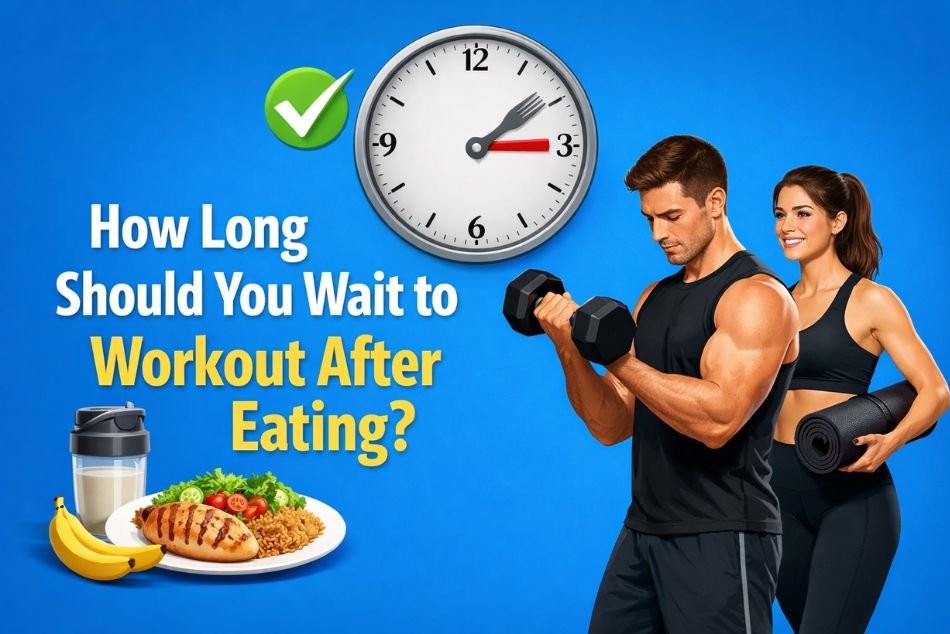
How Long Should You Wait to Workout After Eating? A Complete Guide for Better Performance and Digestion
If you have ever stood in your kitchen wondering whether to hit the gym right after a meal or wait a little longer, you are not alone. One of the most common questions in fitness is how long should you wait to workout after eating. The timing between your meals and your training session can affect your energy levels, digestion, comfort, and even your performance in the gym. Get it right, and you feel strong and focused. Get it wrong, and you may deal with cramps, nausea, or that heavy feeling that ruins your workout.
On spcfitz.com, the goal has always been simple. Make fitness practical, not complicated. This guide will break everything down in clear, real world terms so you know exactly when to train after eating, whether your goal is muscle gain, fat loss, or overall fitness.
Why Meal Timing Matters Before a Workout
Your body has two major jobs after you eat. First, it digests the food. Second, it distributes nutrients to different tissues. When you start exercising, your body shifts priorities. Blood flow moves away from your stomach and toward your muscles. This is great for performance, but not so great for digestion.
If you train too soon after a meal, digestion slows down. Food sits heavier in your stomach, which can lead to bloating, cramps, acid reflux, or even dizziness. On the other hand, if you wait too long, you might start your workout low on energy.
Finding the right balance between fueling your body and giving it time to digest is the key.
The Simple Answer: It Depends on What You Ate
There is no single time rule that fits everyone. The ideal waiting time depends mainly on:
- The size of your meal
- The type of food you ate
- Your own digestion speed
- The intensity of your workout
Here is a practical breakdown.
Waiting Time Based on Meal Size
After a Large Meal
If you just had a full meal like chicken or tofu, your body needs time.
Ideal wait time: 2 to 3 hours
A large meal takes longer to digest because it contains more calories, fiber, fat, and protein. Training too soon after this kind of meal often leads to discomfort.
After a Medium Meal
This could be a balanced plate with moderate portions of carbs, protein, and fat.
Ideal wait time: 1.5 to 2 hours
Most people feel comfortable training in this window, especially for strength training or moderate cardio.
After a Small Meal or Snack
Think of something light like a banana with peanut butter, a bowl of yogurt, or a protein shake.
Ideal wait time: 30 to 60 minutes
This is perfect for those who train early in the morning or between meals.
Waiting Time Based on What You Eat
Different foods digest at different speeds. This matters more than most people realize.
Carbohydrates
Simple carbs like fruits, white bread, or oats digest relatively fast.
- Light carb snack: 30 to 45 minutes
- Carb heavy meal: 1.5 to 2 hours
Protein
Protein takes longer to digest than carbs.
- Protein shake: 30 to 60 minutes
- Solid protein like chicken, eggs, tofu: 1.5 to 2.5 hours
Fats
Fats slow digestion the most.
- High fat meals like fried food or heavy gravies can take 3 hours or more.
If your meal is high in fat, waiting longer before training is always a smarter choice.
How Workout Type Changes the Waiting Time
Not every workout stresses your body the same way. The kind of training you do plays a big role in deciding how long you should wait.
Strength Training
Lifting weights sends a lot of blood to your muscles and core. If you train too soon after eating, you may feel pressure in your stomach.
Best Wait Time:
- After a big meal: 2 to 3 hours
- After a snack: 45 to 60 minutes
Cardio Workouts
Running, cycling, HIIT, and sports involve more bouncing and movement, which can disturb digestion.
Best Wait Time:
- After a meal: 2 to 3 hours
- After a light snack: 30 to 45 minutes
Light Activities
Walking, yoga, stretching, and mobility work are easier on your system.
Best Wait Time:
- After a meal: 30 to 60 minutes
Training on an Empty Stomach: Is It Good?
Some people like to train first thing in the morning without eating anything. This is often called fasted training.
Pros of Fasted Workouts
- You may feel lighter and less bloated
- Some people find it helps with fat loss
- Convenient for early morning schedules
Cons of Fasted Workouts
- Lower energy levels
- Reduced strength and endurance
- Higher chance of muscle breakdown if done too often
For most people, a small pre workout snack works better than training completely empty.
Best Pre Workout Snacks Based on Your Goal
For Muscle Gain
You want steady energy and amino acids in your system.
Good options 30 to 60 minutes before training:
- Banana with peanut butter
- Oats with whey protein
- Greek yogurt with honey
For Fat Loss
You want something light that does not spike calories too high.
Good options:
- A piece of fruit
- Black coffee with a small snack
- A small protein shake
For Endurance Training
You need quick fuel.
Good options:
- Toast with jam
- Dates or raisins
- Sports drink or coconut water
Signs You Are Working Out Too Soon After Eating
Your body gives clear signals when your timing is off.
Common signs include:
- Stomach cramps
- Feeling heavy or sluggish
- Acid reflux or heartburn
- Nausea
- Sudden fatigue during the workout
If this happens often, increase the gap between your meal and your workout.
Signs You Are Waiting Too Long to Workout
Waiting too long is also not ideal.
You might notice:
- Feeling weak or dizzy
- Lack of focus
- Low endurance
- Poor strength output
In this case, adding a small snack before training can make a big difference.
How Long Should You Wait to Workout After Eating for Different Goals
Let us bring the main question back into focus. How long should you wait to workout after eating really depends on what you want from your training.
For Muscle Building
Muscle growth needs fuel.
- Large meal: 2 to 3 hours
- Snack: 45 to 60 minutes
Training with some food in your system helps you lift heavier and recover better.
For Fat Loss
Fat loss comes down to consistency and calorie balance.
- Large meal: 2 hours
- Snack: 30 to 45 minutes
Choose timing that lets you train comfortably and consistently.
For General Fitness
If your goal is to stay active and healthy:
- Medium meal: 1.5 to 2 hours
- Light snack: 30 to 60 minutes
What About Supplements Before a Workout?
Many people use pre workout supplements, caffeine, or BCAAs before training.
Pre Workout Drinks
These are usually taken 20 to 30 minutes before exercise. If you already ate a meal recently, be careful with strong stimulants as they may upset your stomach.
Protein Shakes
If your last meal was more than 3 hours ago, a protein shake 30 to 45 minutes before training works well.
Special Situations
Early Morning Workouts
If you train at 5 or 6 am, eating a full meal is not practical.
Best option:
- Small snack like a banana or dates
- Or a whey protein shake
Wait 20 to 30 minutes and start training.
Late Evening Workouts
If you train after dinner, give yourself enough time.
- Light dinner: wait 1.5 to 2 hours
- Heavy dinner: wait 2.5 to 3 hours
Training During Intermittent Fasting
If you follow fasting protocols, try to train close to your eating window so you can refuel soon after.
Common Myths About Eating Before Exercise
Myth 1: You Must Train on an Empty Stomach
Not true. While some people like fasted workouts, most perform better with some fuel.
Myth 2: Eating Before Cardio Kills Fat Burn
Your body burns fat based on overall calories, not just what you ate before one session.
Myth 3: You Need a Big Meal Right Before Training
A heavy meal right before exercise often hurts more than it helps.
Practical Guidelines You Can Follow
If you do not want to overthink things, follow these simple rules.
- Full meal: wait 2 to 3 hours
- Medium meal: wait 1.5 to 2 hours
- Light snack: wait 30 to 60 minutes
Adjust based on how your body feels.
Real World Examples
Example 1
You had lunch at 2 pm and plan to train at 5 pm.
That is perfect. Three hours is ideal for strength training.
Example 2
You had a banana at 6 am and want to train at 6.30 am.
That works well for cardio or weights.
Example 3
You had a heavy dinner at 8 pm and want to train at 9 pm.
Better to wait till 10 or do a lighter workout.
Listening to Your Body Matters Most
All guidelines are helpful, but your own body is the final judge. Some people digest fast. Others need more time. Pay attention to how you feel during your workouts.
If you feel strong, focused, and comfortable, your timing is right.
Wrapping Up: Finding Your Perfect Timing
So, how long should you wait to workout after eating? The honest answer is that there is no one size fits all rule. For most people, waiting 2 to 3 hours after a full meal or 30 to 60 minutes after a light snack works best.
The goal is simple. Give your body enough time to digest, but not so much that you run out of energy. When you find that balance, your workouts feel smoother, stronger, and more enjoyable.
If you want consistent progress in the gym, do not just focus on what you eat. Also pay attention to when you eat. Small timing changes can make a big difference in performance, comfort, and long term results.
Frequently Asked Questions (FAQ)
Q1) How Long Should You Wait to Workout After Eating a Heavy Meal?
After a heavy meal, wait 2 to 3 hours before exercising. This helps proper digestion and prevents cramps, nausea, or that heavy feeling during your workout.
Q2) Can I Workout 30 Minutes After Eating?
Yes, if you had a light snack like a banana, yogurt, or a protein shake. Avoid intense training if you just had a full meal.
Q3) Is It Bad to Workout Right After Eating?
Yes, in most cases. Exercising immediately after eating can slow digestion and cause bloating, acidity, or discomfort.
Q4) Should I Wait Longer Before Cardio Than Weight Training?
Usually yes. Cardio involves more movement, which can disturb digestion more than weight training. Waiting around 2 hours after a meal is safer for cardio.
Q5) Is It Okay to Workout on an Empty Stomach?
It’s fine for light sessions, but for strength training or long workouts, you may feel low on energy. A small pre workout snack often works better.
Q6) What Is the Best Snack Before a Workout?
Some simple and effective options are:
- Banana with peanut butter
- Oats with whey protein
- Greek yogurt with honey
These digest easily and give steady energy.
Q7) How Long Should I Wait to Workout After Eating for Muscle Gain?
For muscle building, wait 2 to 3 hours after a full meal or 45 to 60 minutes after a snack. This helps you train harder and lift heavier.
Q8) Does Eating Before a Workout Reduce Fat Loss?
No. Fat loss depends on your overall calorie balance, not just what you eat before one workout. Eating smart before training often improves consistency and results.
Q9) Can Drinking Water Right After Eating Affect My Workout?
Drinking water is fine and helpful. Just avoid gulping large amounts right before exercise to prevent stomach discomfort.
Q10) What if I Always Feel Uncomfortable When I Workout After Eating?
Try waiting longer between meals and training, choose lighter foods, and avoid oily or spicy meals before your workout.