Why Does Pre Workout Make You Itchy After Taking It Before a Workout?
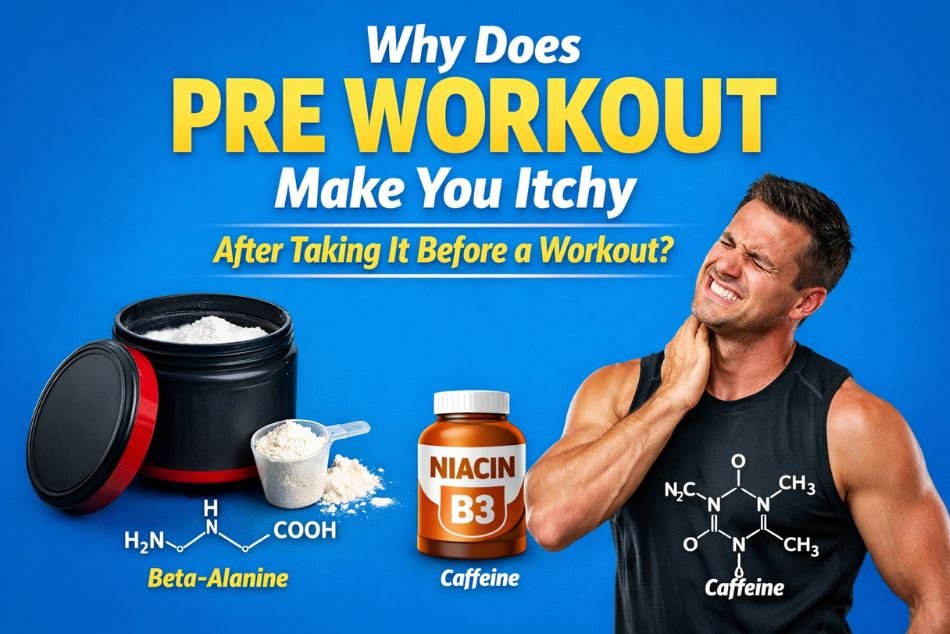
If you’ve ever taken a scoop before training and suddenly felt your face, ears, neck, or arms start tingling or itching, you’re not imagining it. Many people wonder why does pre workout make you itchy, especially when trying a new supplement for the first time. In most cases, that itchy, prickly feeling is caused by beta-alanine, a common ingredient in pre-workout formulas that can trigger a harmless sensation called paresthesia. Research and sports nutrition references consistently point to beta-alanine as the main reason for that “pins and needles” feeling, though niacin and stimulant-heavy formulas can sometimes add to the effect.
For most healthy adults, it is not dangerous, but it can definitely feel weird, distracting, and uncomfortable if you don’t know what’s causing it. The good news is that there are simple ways to reduce or avoid it without necessarily giving up pre-workout altogether.
If you use supplements regularly or you’re writing this off as “normal gym stuff,” it’s still worth understanding what ingredient is doing what inside your body. That way, you can choose smarter formulas, avoid unnecessary side effects, and make sure your pre-workout is helping your performance instead of just making you feel like ants are crawling on your skin.
What Does the “Pre-workout Itch” Actually Feel Like?
The sensation is usually not a classic allergy-style itch. Most people describe it as:
- Tingling
- Prickling
- Pins and needles
- Warm flushing
- Mild burning or crawling sensation
- Itchy skin without a visible rash
It often shows up in the:
- Face
- Ears
- Neck
- Shoulders
- Upper chest
- Arms
- Hands
Some people feel it lightly for 10 to 20 minutes. Others get a stronger wave that lasts 30 to 60 minutes, especially if they take a full scoop on an empty stomach or are new to pre-workout. Reports from consumer health and sports nutrition sources note that this effect is usually temporary and self-limiting.
This is why many lifters say things like:
- “My pre kicked in.”
- “My face is buzzing.”
- “My ears are on fire.”
- “I feel itchy but not allergic.”
And yes, all of that can happen even when the product is technically “working as intended.”
The Main Reason: Beta-Alanine
The biggest answer to why does pre workout make you itchy is almost always beta-alanine.
What Is Beta-Alanine?
Beta-alanine is a non-essential amino acid often included in pre-workouts because it can help increase muscle carnosine levels over time. That matters because carnosine may help buffer acid buildup during hard training, especially in intense efforts like:
- HIIT
- Sprint work
- Cross-training
- High-rep lifting
- Conditioning circuits
In simple terms, beta-alanine is added because it may help you push hard for slightly longer, especially during repeated intense efforts. Sports nutrition position stands and review papers support its use for high-intensity performance, while also noting that paresthesia is the most common side effect.
Why Does Beta-Alanine Cause Itchiness or Tingling?
It doesn’t mean your skin is being damaged. It doesn’t mean the powder is “too strong” in a dangerous way. It means beta-alanine can stimulate sensory nerve pathways near the skin.
Research suggests beta-alanine can activate certain receptors involved in skin sensation, which can create the familiar itching, tingling, or prickly feeling many people notice after taking pre-workout. This is considered a histamine-independent neural effect, meaning it is not necessarily the same thing as a traditional allergic reaction.
That’s a very important distinction.
Because when people feel itchy, they often assume:
- “I’m allergic.”
- “This supplement is bad.”
- “This batch is fake.”
- “Something is wrong with my body.”
Most of the time, none of those are true. It’s just beta-alanine doing what beta-alanine often does.
Is the Itch a Sign That Pre-workout Is Working?
Not exactly.
A lot of people think the itch is proof that their pre-workout is “strong” or “effective.” That’s mostly marketing-driven gym culture, not science.
What the itch really means
It usually means:
- Your formula contains beta-alanine
- The dose is high enough to trigger paresthesia
- Your body is sensitive to it
That’s it.
What it does not automatically mean
It does not prove that:
- You’ll have a better workout
- You’ll lift more weight
- You’ll get a better pump
- You’ll burn more fat
- The supplement is higher quality
Some excellent pre-workouts cause very little tingling. Some average ones make you feel like your face is electrified.
So if you’ve been using the itch as your “quality test,” it’s time to upgrade your standards.
How Much Beta-Alanine Usually Causes the Tingling?
This depends on the person, but dose matters a lot.
Most research-backed daily beta-alanine intake tends to fall in the 1.6 to 6.4 gram range, and the tingling becomes more noticeable when larger amounts are taken at once rather than spread across the day.
Higher Chance of Tingling if You Take
- A full scoop immediately
- 2 scoops
- A concentrated “high stim” formula
- Pre-workout on an empty stomach
- A fast-absorbing powdered drink
Lower Chance of Tingling if You
- Start with half a scoop
- Split the dose
- Use sustained-release beta-alanine
- Take it with food
- Choose a lower beta-alanine formula
This is why one brand might make you feel fine, while another feels like your skin is vibrating.
Another Possible Cause: Niacin Flush
Beta-alanine is the main suspect, but it’s not the only one.
Some pre-workout formulas also contain niacin (vitamin B3). At higher doses, niacin can cause something called niacin flush, which may feel like:
- Warmth
- Redness
- Itchiness
- Burning
- Skin flushing
This can look more like a visible skin reaction than beta-alanine tingles. Health and supplement references note that niacin in sufficiently high doses can cause a rush of blood to the skin surface, resulting in redness and discomfort.
How to Tell if It’s Niacin Instead of Beta-Alanine
It may be more likely niacin if:
- Your skin looks red or flushed
- You feel hot rather than prickly
- The reaction is more “burning warm” than “tingling electric”
- Your supplement label has high niacin listed
Sometimes both ingredients are present, which makes it harder to separate the feeling.
Can Caffeine Make It Worse?
Indirectly, yes.
Caffeine doesn’t usually cause the classic itchy pre-workout sensation by itself, but it can make the whole experience feel more intense. If your formula is high in stimulants, you may notice:
- More skin awareness
- Jitters
- Restlessness
- Anxiety-like sensations
- Elevated heart rate
- “Overstimulated” feeling
If you’re already feeling overstimulated, even mild tingling can feel much more intense than it really is. Pre-workouts that are high in caffeine may increase jitters, restlessness, and overall discomfort, especially if you also had coffee earlier in the day or took your supplement too close to bedtime.
This is especially true if you:
- Took coffee earlier
- Haven’t eaten
- Are dehydrated
- Are sensitive to stimulants
- Dry scooped your pre
So while caffeine may not be the main cause of itchiness, it can absolutely make the experience feel more intense and less pleasant.
Is Pre-workout Itch Dangerous?
Usually, no
For most healthy people, the common pre-workout tingling caused by beta-alanine is usually harmless and temporary. While it can feel strange or uncomfortable, it typically goes away on its own and is not considered a serious issue in most cases.
But you should not ignore symptoms that look different
There is a big difference between normal beta-alanine tingles and a possible allergic or serious reaction.
Normal Pre-workout Tingling Often Feels Like
- Mild itch
- Prickly skin
- Tingling face or arms
- Temporary discomfort
- No breathing issues
- No major swelling
Stop Taking It and Seek Medical Help if You Have
- Trouble breathing
- Wheezing
- Chest tightness
- Swelling of lips, tongue, or throat
- Hives
- Severe rash
- Dizziness or fainting
- Vomiting with other symptoms
- Heart palpitations that feel unusual or severe
That is not “just the pre kicking in.”
A lot of gym advice online gets this wrong. Not every reaction should be brushed off as normal. If your symptoms feel extreme, unusual, or scary, take that seriously.
Why Some People Feel It More Than Others
Two people can take the exact same pre-workout and have totally different experiences.
That happens because your response depends on things like:
- Body Size and Sensitivity: A smaller person or someone who rarely uses supplements may feel it more.
- Empty Stomach vs Fed State: Taking pre-workout on an empty stomach can make the sensation hit harder and faster.
- First-Time Use: If you’re new to pre-workout, your body may react more noticeably.
- Dose Size: One scoop vs two scoops can make a huge difference.
- Ingredient Formula: Some brands combine beta-alanine, niacin, caffeine, and vasodilators, which can feel like “itch + flush + buzz” all at once.
- Personal Nerve Sensitivity: Some people are simply more aware of skin sensations and stimulants.
This is why your gym friend saying “bro I don’t feel anything” is basically useless advice.
How Long Does the Itch Last?
In most cases, the itchy or tingly feeling lasts:
- 10 to 20 minutes for mild cases
- 20 to 45 minutes for moderate cases
- Up to around 1 hour for some people
This lines up with consumer health reporting and supplement guidance on beta-alanine-associated sensations.
It often peaks shortly after taking your pre-workout and fades as your body adjusts and the ingredient gets processed.
If it lasts unusually long, keeps happening intensely, or comes with rash, swelling, or breathing issues, that’s when you should stop guessing and take it more seriously.
How to Stop Pre-workout From Making You Itchy
If you like the energy and focus from pre-workout but hate the itch, you’ve got options.
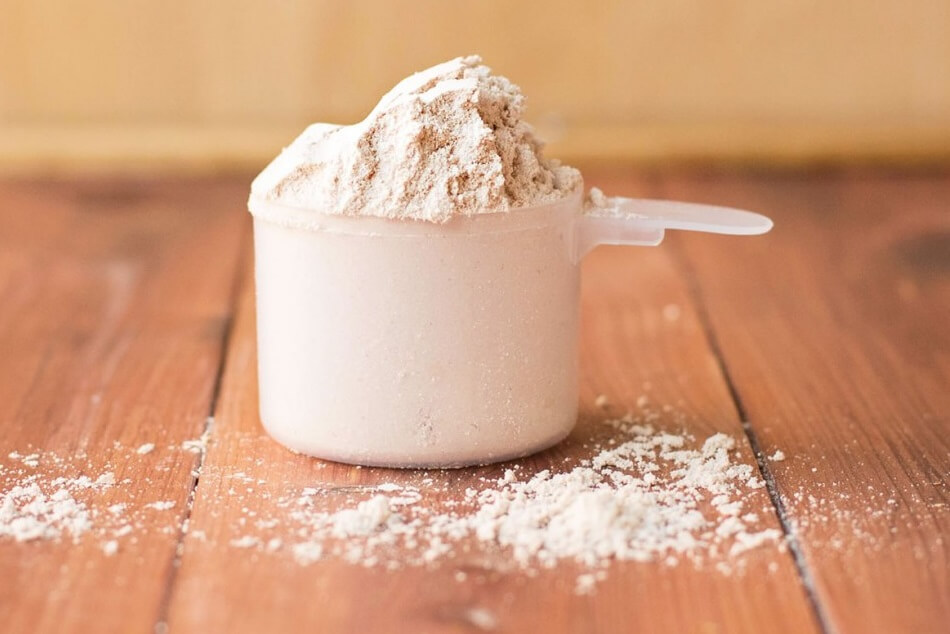
1) Start With Half a Scoop
This is the easiest fix and probably the smartest one.
A lot of people take a full scoop because that’s what the label says, but labels are often written for experienced users or for marketing impact, not necessarily for your tolerance.
Start with:
- ¼ scoop if you’re very sensitive
- ½ scoop if you’re new
- Full scoop only if you tolerate it well
This alone can make a big difference.
2) Check the Label for Beta-Alanine
Turn the tub around and look at the ingredient panel.
If you see beta-alanine, that’s likely your answer.
Common range in pre-workout:
- 1.6 g
- 2 g
- 3.2 g
- Sometimes more
If the label has 3.2 grams or higher per scoop, the tingling is much more likely to be noticeable.
If your main goal is simply:
- Energy
- Focus
- Better training mood
…then you may not even need a high beta-alanine formula.
3) Choose a Pre-workout Without Beta-Alanine
This is the cleanest solution if you absolutely hate the sensation.
A beta-alanine-free pre-workout can still support training with ingredients like:
- Caffeine
- Citrulline
- Tyrosine
- Electrolytes
- Theanine
- Creatine (sometimes separately)
This is a good option if you want:
- Better pumps
- Better focus
- Less weird skin sensation
- A smoother pre-workout experience
And honestly, for many gym-goers, that’s a better trade-off.
4) Avoid Stacking It With Coffee or Energy Drinks
If your pre-workout already has stimulants, don’t casually pile on more caffeine unless you actually know your total intake.
Too much stimulation can make the whole experience worse, including:
- Anxiety
- Skin sensitivity
- Jitters
- Rapid heartbeat
- Nausea
If your pre has 250 to 350 mg caffeine and you already had coffee, that’s not a small detail. That’s the difference between a productive session and feeling like your nervous system is getting bullied.
5) Don’t Dry Scoop
This trend needs to die.
Dry scooping can increase discomfort and risk, including issues like choking, breathing difficulty, and taking in stimulants too quickly. It’s a practice that can put unnecessary stress on your body and is best avoided.
Always mix it properly with water.
Not only is it safer, but it may also make the experience smoother and easier on your stomach.
6) Take It With a Small Meal if Needed
Some people tolerate pre-workout better when they don’t take it on a completely empty stomach.
Try it with:
- A banana
- Toast with honey
- A small rice cake snack
- Light carbs 30 to 60 minutes before training
This may help reduce how aggressively the ingredients hit, especially if you’re sensitive.
7) Use Separate Ingredients Instead of a “Kitchen Sink” Formula
A lot of pre-workouts throw everything into one scoop just to make the label look impressive.
That’s not always ideal.
Sometimes a simpler setup works better, like:
- Coffee or caffeine tablet
- Creatine daily
- Electrolytes
- Citrulline if desired
This gives you more control and fewer mystery reactions.
For many people, a basic setup works just as well without the “why is my face itchy?” side quest.
Do You Even Need Pre-workout?
Honestly? Not always.
A lot of people use pre-workout because:
- They’re tired
- They train early
- They want motivation
- They like the ritual
- They associate the buzz with a “serious” workout
That’s understandable. But not every good workout needs a supplement.
You can often train perfectly well with:
- Good sleep
- Proper hydration
- Adequate carbs
- A little caffeine if needed
- Consistent routine
Pre-workout can be useful, but it’s not magic. And if the side effects are annoying enough that you dread taking it, that’s usually a sign your setup needs adjusting.
Best Time to Take Pre-workout
If you use it, a good general window is:
20 to 40 minutes before training
That gives enough time for the ingredients to kick in before your session starts.
If you take it too early:
- It may wear off too soon
If you take it too late:
- You may feel the tingling while warming up
- You may feel overstimulated mid-session
- It may interfere with sleep if you train late
This matters more than people think. A lot of “bad pre-workout experiences” are really just bad timing plus too much caffeine.
Who Should Be More Careful With Pre-workout?
Even though the common itch itself is often harmless, some people should be more cautious overall with stimulant-based supplements.
Be extra careful if you:
- Are sensitive to caffeine
- Have anxiety or panic symptoms
- Train late at night
- Have high blood pressure
- Have a heart condition
- Are taking medications that interact with stimulants
- Are pregnant or breastfeeding
- Have reacted badly to supplements before
In these cases, random gym advice is not enough. Read labels carefully and, if needed, speak with a qualified healthcare professional.
Smart Label Reading: What to Look for
If you want fewer side effects, start reading pre-workout labels like someone who actually cares what goes into their body.
Look for:
- Caffeine amount per scoop
- Beta-alanine amount
- Niacin amount
- Number of scoops per serving
- Third-party testing if possible
Be Cautious With:
- “Proprietary blends”
- Mega stimulant formulas
- Hidden caffeine sources
- Overloaded ingredient lists
- Hype-first branding with vague dosing
If the label is basically screaming at you in neon fonts and promising “INSANE SKIN RIPPING ENERGY,” maybe that’s not your smartest daily choice.
The Bottom Line on Beta-Alanine and Performance
Here’s the practical truth:
Beta-alanine can be useful for some training styles, but it’s not essential for everyone, and the itch doesn’t mean your workout will automatically be better.
If you mainly do:
- Traditional bodybuilding
- Moderate-paced lifting
- Basic gym sessions
…then beta-alanine may not be the game-changer marketing makes it out to be.
If you do more:
- HIIT
- Sprint intervals
- Conditioning
- Repeated high-intensity efforts
…it may be more relevant.
So the right question isn’t just:
“Why does pre workout make me itchy?”
It’s also:
“Do I even need the ingredient causing it?”
That’s the smarter supplement question.
Wrapping Up
So, why does pre workout make you itchy? In most cases, it comes down to beta-alanine, a common pre-workout ingredient that can trigger a harmless tingling or prickly skin sensation called paresthesia. Sometimes niacin flush, stimulant overload, or a strong formula can make it feel even more intense, but for most people it’s temporary and not dangerous.
The best move is simple: read the label, lower the dose, and stop assuming every uncomfortable feeling means the supplement is “working.” A better workout doesn’t come from feeling itchy. It comes from choosing the right tools, using them properly, and training consistently.
FAQs
Q1) Why Does Pre Workout Make You Itchy?
The most common reason why pre workout makes you itchy is beta-alanine, an ingredient found in many pre-workout supplements. It can cause a harmless tingling or prickly feeling on the skin, especially on the face, neck, ears, and arms.
Q2) Is It Normal to Feel Itchy After Taking Pre-workout?
Yes, in most cases it is normal. Many people feel a mild tingling or itchy sensation after taking pre-workout, especially if the formula contains beta-alanine or niacin. It usually goes away within 20 to 60 minutes.
Q3) Is Pre-workout Itch Dangerous?
Usually, no. The common pre-workout itch is generally harmless and temporary. However, if you also experience symptoms like trouble breathing, swelling, hives, chest tightness, or severe rash, stop using it and seek medical attention immediately.
Q4) How Long Does Pre-workout Itch Last?
For most people, the itch or tingling lasts anywhere from 10 minutes to 1 hour. The intensity depends on the dose, your sensitivity, and whether you took it on an empty stomach.
Q5) Which Ingredient in Pre-workout Causes the Itching?
The main ingredient is beta-alanine. Some formulas may also cause skin flushing or irritation due to niacin. If you’re wondering why does pre workout make you itchy, checking the ingredient label is the first thing you should do.
Q6) How Can I Stop Pre-workout From Making Me Itchy?
You can reduce the sensation by:
- Starting with half a scoop
- Taking it with a small meal
- Choosing a beta-alanine-free pre-workout
- Avoiding double scooping
- Not mixing it with too much caffeine
Q7) Does Itchy Pre-workout Mean It Is Working?
Not necessarily. The itch only means your body is reacting to certain ingredients, most commonly beta-alanine. It does not automatically mean the pre-workout is stronger or more effective.
Q8) Should Beginners Avoid Pre-workout if It Makes Them Itchy?
Not always, but beginners should start carefully. If you’re new to supplements, begin with a low dose and see how your body responds. If the sensation feels too uncomfortable, switching to a simpler or stimulant-free formula may be a better option.