Why Do Bodybuilders Tan? The Complete Breakdown of Stage Color, Lighting, and Competitive Presentation
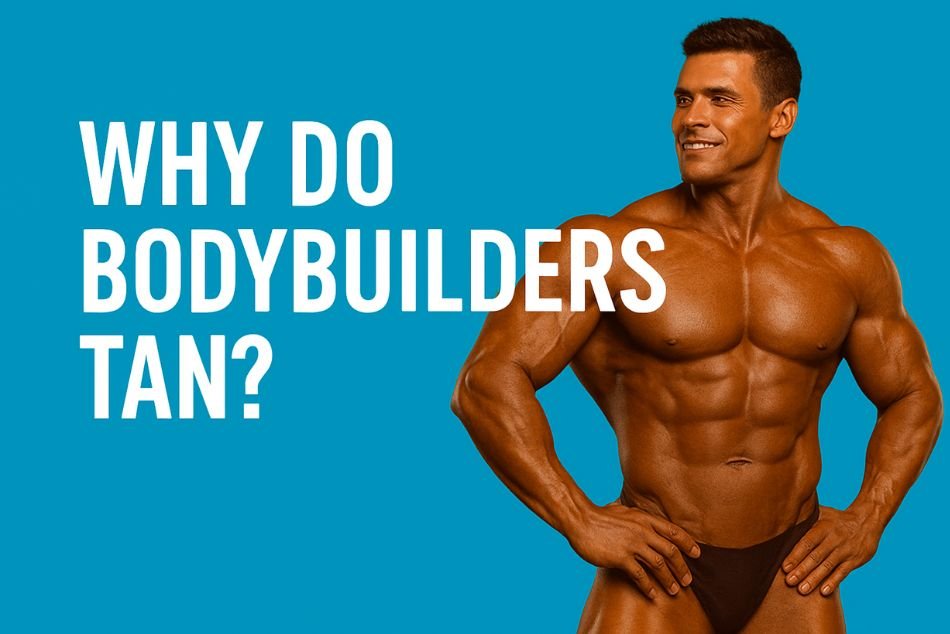
If you’ve ever watched a bodybuilding show, one of the first things you notice is the deep, dark tan every competitor wears. To someone outside the sport, it can look excessive or even strange, but there’s a very specific reason for it. Understanding why do bodybuilders tan actually reveals a lot about presentation, stage strategy, lighting, and how physiques are judged.
The tan isn’t cosmetic; it’s functional. Under bright stage lights, muscles can look flat, washed out, and less defined on lighter skin. A dark tan fixes that, enhances contrast, sharpens definition, and creates the look that judges expect at a professional level.
This article breaks down the full story behind bodybuilding tans: how they work, the science behind the visual effect, how pros apply them, different tanning products and methods, mistakes competitors make, and how backstage color crews help athletes get stage-ready.
The Purpose of Stage Tanning: Making the Physique Easier to Judge
Bodybuilding is ultimately a visual sport. Judges don’t look at raw strength, training logs, or bodyweight numbers. They assess size, symmetry, balance, proportions, conditioning, and separation. All of that depends on how clearly the muscles appear from a distance under extremely bright lights.
Without a tan, many of these details disappear.
The bright, overhead stage lights are designed to illuminate the entire stage evenly, but that light also washes out fair or medium-light skin tones. Shadows soften, cuts look blurred, and the physique loses presence. A dark tan essentially acts like a visual amplifier. It helps the stage lights create dramatic contrast, which outlines every muscle more clearly for the judges.
It’s similar to how photographers use lighting to shape the body, except here the athlete has to provide the surface that allows the lighting to work.
Enhancing Muscle Definition and Separation
The darker the skin tone, the more obvious the dips and rises of muscle appear. This happens because darker tones reflect less light. When bright light hits the body, the raised muscle bellies shine more intensely while the grooves between them remain darker.
That difference creates a sharper visual divide.
Competitors rely on this effect for:
- Making the shoulders look rounder
- Increasing the appearance of quad sweeps
- Deepening ab lines
- Sharpening hamstring separation
- Making glutes appear more striated
- Highlighting vascularity
A physique with great muscle mass but a poor tan will look soft. A slightly smaller competitor with great color can appear harder and better conditioned.
This is why tanning is considered part of conditioning in the sport. Even if it doesn’t directly come from dieting or training, it dramatically affects how conditioning appears on stage.
The “Harder” Look: How Tanning Affects Perceived Conditioning
One of the biggest illusions tanning creates is the “hard look” bodybuilders want. Hardness comes from:
- Thin skin
- Low body fat
- Dry, tight muscles
- Visible striations
But even athletes who achieve these things may not look hard enough under harsh lighting without a tan.
The tan deepens shadows in the areas that represent extreme conditioning. For example:
- The horizontal lines in the chest look sharper.
- The vertical cuts in the quads pop more.
- The signature glute-ham tie-in looks deeper.
- The Christmas-tree lower back becomes more pronounced.
This isn’t trickery. It’s enhancing what already exists. A tan doesn’t create muscle definition—it reveals it.
Concealing Skin Imperfections
Even elite competitors deal with:
- Uneven skin pigmentation
- Mild stretch marks
- Small scars
- Blemishes
- Redness
- Patchiness from shaving
Stage lighting exaggerates these flaws. A good tan evens out the entire skin surface so the judges see muscles, not distractions.
This also applies for athletes with naturally darker complexions. Many still apply competition tanning products because:
- Stage lights wash out dark skin too
- They need a specific shade to match the lighting temperature
- They need a uniform finish that household tanning lotions can’t provide
The goal is a color tone that works well under the show’s lighting setup.
The Role of Contrast in Physique Judging
Contrast is one of the single biggest factors in how clearly the judges can evaluate a physique. The contrast comes from two places:
- Contrast between skin and stage lights
- Contrast between different parts of the body (muscles vs. striations vs. grooves)
Fair or natural skin tones can reflect too much light, flattening the physique.
A deep tan creates a balanced contrast level that reveals every important detail.
Think of it like increasing the clarity filter on a camera. It sharpens outlines everywhere:
- Biceps appear fuller
- Delts look rounder
- The serratus and obliques stand out
- Calves look more carved
- Back layers show more density
This is one major reason why do bodybuilders tan is such a core question in the sport. Without the color, the physique simply doesn’t translate from stage to judges’ table.
Different Methods of Tanning Used by Competitors
Bodybuilders use three main approaches, depending on the federation, budget, and desired finish. Each has strengths and weaknesses.
1. Spray Tans (Most Common and Competition Standard)
Spray tanning is the gold standard for competitive bodybuilding. Most events hire a professional tanning service and provide backstage booths.
Benefits:
- Consistent color
- Multiple layers for deeper tone
- Designed specifically for stage lighting
- Dries quickly
- Minimal streaking
- Dark enough for professional shows
The color is usually applied 1 to 2 days before the show and then touched up before stage time.
2. Tanning Dyes or Body Stains
These are thicker, darker formulas that deliver a stronger color than typical spray tans. Brands like Pro Tan or Jan Tana fall into this category.
Advantages:
- Extremely dark finish
- Excellent separation
- Long-lasting
- Builds intensity with each coat
Many pros combine spray tans and staining products to achieve a competition-ready tone.
3. Tanning Beds (Base Tan Only)
Athletes sometimes use tanning beds in the weeks before a show to develop a natural base tan. This helps:
- Improve evenness
- Create a deeper underlying color
- Reduce the number of spray coats needed
But tanning beds alone are never enough for stage use. They simply don’t create the depth of color required.
How Bodybuilding Tans Are Applied Before a Show
The tanning process is structured and begins several days before competition. A typical timeline looks like this:
1. Skin Prep
Competitors exfoliate for 2–3 days before application. Dry skin creates patchy tan. Smooth skin creates even color.
2. Shaving
The entire body must be hair-free. Hair blocks tanning product and ruins the finish.
3. Base Coat
Usually applied the evening before the show. This is the foundation.
4. Top Coats
Added the morning of the show, sometimes right before going onstage. These deepen the color and add sheen.
5. Oil Application
Oil helps highlight muscle shape, but too much creates shine and ruins photos. Backstage staff apply the exact amount needed.
6. Touch-Ups
Any cracks, smudges, sweat marks, or missed spots get fixed before stage time.
This entire routine is part of competition preparation. Top athletes treat tanning with the same level of seriousness as training and dieting.
The Science of Lighting and Color on Stage
Bodybuilding stages typically use strong overhead lighting. This lighting:
- Flattens pale skin
- Increases glare
- Reduces visible shadows
- Lowers contrast
A deep tan minimizes reflection and helps create structured shadowing.
Most competition colors fall between:
- Dark walnut
- Chestnut
- Mahogany
- Deep bronze
These tones work well with the color temperature of stage lights, which lean toward “cool white.” A tan counterbalances that by adding warmth.
This is similar to how makeup artists choose foundation shades for TV studios. The foundation isn’t chosen to match natural skin tone—it’s chosen to look good under lighting.
Why Bodybuilders Don’t Go for a “Normal” Tan
Stage tanning has its own standards. Everyday tanning shades are not enough.
A regular tan is:
- Too light
- Too orange
- Too inconsistent
- Too reflective
Competition tans are built to look good under performance lights, not in sunlight.
Many competitors actually look overly dark or unnatural offstage, but once they’re onstage, the color looks balanced and appropriate. The tan isn’t meant for real-world aesthetics. It’s a tool for a judged sport.
Mistakes Bodybuilders Make With Tanning
Even experienced competitors make avoidable errors.
1. Shaving on the Same Day
This irritates the skin and causes the tan to cling unevenly.
2. Using Deodorant
Deodorant reacts with tanning solutions and turns armpits green.
3. Not Exfoliating
This causes streaks and patchy areas.
4. Wearing Tight Clothing After Tanning
Clothes rub off the product and ruin the finish.
5. Over-Oiling
Oil should enhance definition, not make the athlete shine like polished metal.
6. Poor Color Selection
Too light = washed out
Too dark = muddy, unrealistic definition
Backstage tanning staff help avoid these mistakes.
The Grooming and Skin Prep Behind a Perfect Tan
Competitors spend weeks prepping their skin.
Daily Moisturizing
Hydrated skin soaks up tan evenly.
Regular Exfoliation
Removes dead skin that causes blotchy areas.
Avoiding Perfumes, Lotions, and Sprays
Most products interfere with tanning solutions.
Managing Acne
Flare-ups become exaggerated under stage lighting.
This routine sounds simple, but disciplined skin care is essential for a flawless appearance. Even top pros get judged harshly if their tan is patchy.
How Judges React to Poor Tans
A weak or sloppy tan can hurt placing. Judges need to clearly see:
- Muscle outlines
- Symmetry
- Separation
- Striations
- Conditioning
If the tan is:
- Uneven
- Too glossy
- Too light
- Streaky
- Patchy
It distracts from the physique and makes comparison harder.
In tight lineups where athletes have similar builds and conditioning levels, the one with better color often appears sharper and more polished, which affects scoring.
Presentation matters. Tanning is a big part of presentation.
Does Tanning Help All Skin Tones?
Yes. Even darker-skinned competitors use tanning products because:
- Stage lights still wash out natural tones
- They need uniform color across the entire body
- Competitive tans have a specific shade that highlights muscle shape
The difference might be less extreme than lighter-skinned athletes, but almost everyone uses some form of stage tan.
Why Natural Bodybuilders Also Tan
Even in natural federations, conditioning is tight and detail matters. Natural competitors aim for:
- Visible graininess
- Separation
- Polished presentation
A good tan is just as important as in enhanced federations. Even if the overall look is softer because of drug-tested limits, the tan still highlights what the athlete worked hard to achieve.
The Psychological Effect of a Stage Tan
A deep tan often gives competitors a confidence boost. They feel sharper, leaner, and more stage-ready. When they see themselves in the mirror, they look closer to the professional standard they admire.
Confidence affects posing. Good posing affects scoring. The tan isn’t just visual; it has mental benefits too.
Why Sprays Are Preferred Over Sunlight or Tanning Beds
Many people wonder why bodybuilders don’t simply get a natural tan. There are several reasons:
1. Consistency
Sprays apply evenly. Sunlight doesn’t.
2. Predictability
A tanning booth gives controllable color. Sunlight varies with weather and genetics.
3. Pace
A natural tan takes weeks. A competition tan takes hours.
4. Skin Health
Excess UV radiation has long-term risks. Spray tanning avoids that.
5. Color Depth
Natural tans rarely reach the deep bronze tone needed for stage.
This is why competitive tanning products dominate the industry.
The Role of Oils and Glaze on Stage
A tan alone isn’t enough. Oil is applied right before the athlete steps onstage. It acts as a final highlight.
Benefits include:
- Increased muscle roundness
- Better light reflection on peaks
- Deeper shadows in valleys
- More aesthetic shine under the headlights
But it must be applied sparingly. Too much oil washes out cuts.
Professionals know exactly how much oil each body part needs:
- Chest and delts get more
- Abs and back get less
- Legs get lightly glazed
This balance ensures the tan works with the lighting rather than against it.
Final Thoughts: Why Do Bodybuilders Tan Is More Than a Simple Question
In the end, the answer to why do bodybuilders tan goes far beyond appearance. The tan is a competitive tool. It helps the judges see everything the athlete worked for, from definition to symmetry to separation. Without it, even the best-prepared physique can look flat, dull, and underwhelming under bright stage lights.
Tanning brings out the details, enhances contrast, hides minor flaws, and creates a sharp, stage-ready finish that showcases months or years of hard work. It’s not optional. It’s a core part of bodybuilding presentation, just as important as posing, conditioning, and stage presence.