How to Get Rid of Pre Workout Side Effects and Train Without Discomfort
If you use pre workout supplements, you probably love the energy, focus, and pump they bring. But along with the benefits, many people deal with uncomfortable reactions like jitters, nausea, headaches, heart racing, or sudden crashes. That’s why learning how to get rid of pre workout side effects is just as important as choosing the right supplement.
This guide is written for serious gym-goers and everyday fitness lovers who want performance without paying the price later. You’ll learn why these side effects happen, how to prevent them, and what to do when they hit. By the end, you’ll know exactly how to enjoy your workouts while keeping your body feeling strong and balanced.
How to Get Rid of Pre Workout Side Effects and Still Train at Your Best
Pre workout supplements are designed to boost energy, focus, endurance, and strength. But when your body reacts badly, that same supplement can turn into a problem instead of a performance tool. Understanding how to get rid of pre workout side effects starts with knowing what’s actually happening inside your body and how to respond the right way.
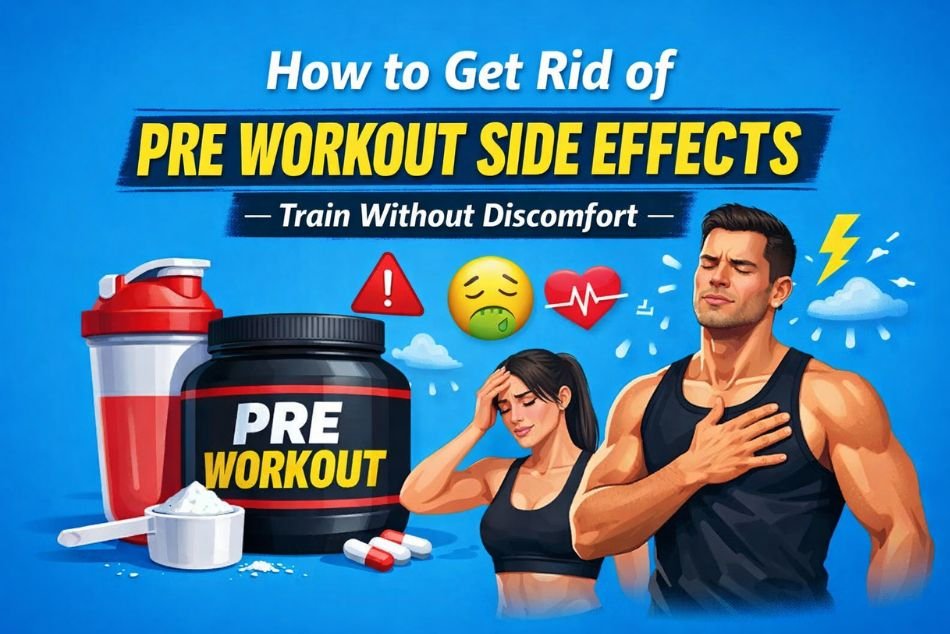
Before we jump into solutions, let’s first understand why these side effects occur in the first place.
Why Pre Workout Causes Side Effects
Most pre workouts are packed with strong ingredients meant to stimulate your nervous system and improve blood flow. These ingredients work well, but they can also overwhelm your body if the dose is too high or your tolerance is low.
Here are the most common culprits:
- Caffeine Overload: Caffeine is the main driver behind energy and focus. Too much can cause anxiety, shakiness, rapid heartbeat, sweating, and even dizziness.
- Beta-Alanine Tingles: That itchy, pins-and-needles feeling on your face, arms, or chest comes from beta-alanine. It’s harmless but uncomfortable for many people.
- Niacin Flush: Some pre workouts contain niacin, which can cause redness, warmth, and itching of the skin.
- Digestive Stress: Artificial sweeteners, heavy doses of creatine, or acidic ingredients can upset your stomach, leading to nausea, bloating, or diarrhea.
- Dehydration: Stimulants increase sweating and urination. Without enough water, headaches and fatigue kick in fast.
Side effects usually happen when the supplement doesn’t match your body’s tolerance level or when timing, hydration, and nutrition are off.
Common Pre Workout Side Effects You Might Face
Let’s break down the most frequent problems lifters complain about:
- Jitters and nervousness
- Rapid heartbeat or palpitations
- Headaches
- Nausea or stomach cramps
- Dizziness or lightheadedness
- Tingling or itching
- Anxiety or restlessness
- Energy crash after the workout
- Trouble sleeping if taken late
If you’ve experienced any of these, don’t worry. You’re not alone, and you don’t have to quit pre workout completely. You just need to use it smarter.
How to Get Rid of Pre Workout Side Effects Before They Start
The best cure is prevention. Here’s how to stop most problems before they even show up.
- Start With Half a Scoop: Never jump straight into a full serving, especially with a new product. Begin with half the dose and see how your body reacts for a few sessions.
- Check the Caffeine Content: Some pre workouts contain 300 to 400 mg of caffeine per serving. That’s equal to three or four cups of strong coffee. If you’re sensitive, aim for products with 100 to 200 mg instead.
- Avoid Stacking Stimulants: Don’t drink coffee, energy drinks, or fat burners on the same day you use pre workout. Too many stimulants at once almost guarantees side effects.
- Stay Hydrated: Drink water before, during, and after your workout. Dehydration makes side effects worse and recovery slower.
- Eat a Light Meal: Taking pre workout on a completely empty stomach increases the chance of nausea and dizziness. A small meal with carbs and protein 60 to 90 minutes before training helps a lot.
What to Do When Side Effects Hit During a Workout
Sometimes, even when you’re careful, side effects still happen. Here’s what to do in the moment.
- Stop and Slow Down: If your heart is racing or you feel dizzy, pause your workout. Sit down, take deep breaths, and let your body settle.
- Drink Water Slowly: Sip water instead of gulping it. This helps with dehydration and nausea.
- Cool Your Body: If you feel flushed or overheated, move to a cooler area, wipe your face, and slow your breathing.
- Stretch Lightly: Gentle stretching can help calm your nervous system and reduce that wired feeling.
- Skip the Rest of the Session if Needed: No workout is worth risking your health. If symptoms feel intense, it’s better to end the session and recover.
Long-Term Solutions for Pre Workout Side Effects
If side effects keep coming back, it’s time to rethink your approach.
1) Switch to a Low-Stim Pre Workout
Low-stimulant or stimulant-free pre workouts focus more on pumps, endurance, and focus without heavy caffeine. They’re perfect for people sensitive to stimulants.
2) Try Natural Alternatives
Some natural options include:
- Black coffee in small amounts
- Green tea
- Beetroot juice for pumps
- Electrolyte drinks for hydration and energy
These give a mild boost without the crash.
3) Improve Your Sleep
Poor sleep makes your body more sensitive to caffeine. When you’re well-rested, you’ll tolerate stimulants much better.
4) Fix Your Nutrition
If your diet is low in carbs or calories, pre workout can hit harder than it should. Make sure you’re fueling properly throughout the day.
5) Cycle off Stimulants
Using pre workout daily builds tolerance and increases dependence. Take breaks every few weeks to reset your system.
How to Handle Specific Pre Workout Side Effects
Let’s tackle common issues one by one with practical solutions.
Jitters and Anxiety
- Lower your dose
- Choose low-caffeine formulas
- Avoid taking pre workout when stressed or sleep-deprived
- Practice slow breathing before training
Nausea
- Take pre workout with food
- Avoid highly acidic or overly sweet formulas
- Sip water, don’t chug
- Try powder instead of ready-to-drink versions
Headaches
- Drink more water
- Add electrolytes if you sweat heavily
- Reduce caffeine intake
- Avoid training in extreme heat
Tingling and Itching
- Look for products with lower beta-alanine
- Split your dose into two smaller servings
- Remember, this is harmless and temporary
Energy Crash
- Avoid very high stimulant formulas
- Eat a balanced post-workout meal
- Get enough sleep
- Don’t rely on pre workout every day
Should You Stop Using Pre Workout Completely?
Not necessarily. Pre workout is a tool, not a requirement. Some people train perfectly fine without it. Others benefit from it on heavy training days or when motivation is low.
Ask yourself:
- Do I really need it every session?
- Am I using it for energy or to cover poor sleep and diet?
- Do the side effects outweigh the benefits?
If pre workout helps you train harder without harming your health, keep it. If it consistently makes you feel bad, it’s okay to move on.
Choosing the Right Pre Workout for Your Body
Not all supplements are created equal. Here’s what to look for when buying your next pre workout.
Check the Label Carefully
Look for:
- Clear caffeine amount
- No proprietary blends
- Moderate doses of beta-alanine and niacin
- Minimal artificial sweeteners
Pick According to Your Goals
- For Energy: moderate caffeine, added L-theanine
- For Pumps: citrulline malate, beetroot extract
- For Focus: tyrosine, alpha-GPC
- For Endurance: electrolytes, BCAAs
Choosing the right formula reduces the chances you’ll ever need to worry about side effects again.
Myths About Pre Workout Side Effects
Let’s clear up a few common myths.
Myth 1: Side Effects Mean It’s Working
Not true. Feeling jittery or sick doesn’t mean better performance. The best pre workout makes you feel strong, not uncomfortable.
Myth 2: You’ll Build Tolerance and Side Effects Will Disappear
Sometimes tolerance builds, but side effects can also get worse with long-term overuse.
Myth 3: Natural Pre Workouts Have No Side Effects
Even natural ingredients can cause reactions if misused. Dosage always matters.
Training Without Pre Workout: Can You Still Perform Well?
Absolutely. Many elite athletes train without pre workout. They rely on:
- Good sleep
- Proper nutrition
- Smart programming
- Strong mindset
If you ever decide to quit pre workout, your performance won’t suddenly drop. It might even improve once your body adjusts.
Smart Habits That Reduce the Need for Pre Workout
Here are habits that naturally boost your energy and focus.
- Sleep 7 to 9 hours every night
- Eat enough carbs before training
- Stay hydrated all day, not just in the gym
- Warm up properly
- Train at a time when your energy is naturally higher
- Manage stress
These basics do more for your workouts than any supplement.
When to See a Doctor
If you experience severe symptoms like:
- Chest pain
- Fainting
- Extreme shortness of breath
- Persistent heart palpitations
Stop using the supplement immediately and consult a doctor. Supplements are powerful, and your health always comes first.
Wrapping It All Up
Pre workout supplements can be a great boost, but they’re not meant to make you feel miserable. Learning how to get rid of pre workout side effects is about understanding your body, choosing the right product, and using it in a smart way. Small changes like lowering your dose, drinking more water, improving sleep, and eating better can completely transform your experience.
If you’ve been struggling with jitters, nausea, headaches, or crashes, don’t give up on your training or blame yourself. Adjust your approach, experiment with cleaner formulas, and remember that supplements should support your fitness journey, not complicate it. Once you master how to get rid of pre workout side effects, you’ll enjoy the benefits of extra energy and focus without sacrificing how you feel before, during, or after your workout.
Frequently Asked Questions (FAQ)
Q1) How to Get Rid of Pre Workout Side Effects Quickly?
The fastest way is to stop training for a moment, sip water, slow your breathing, and cool your body. If side effects happen often, reduce your dosage or switch to a low-stimulant pre workout.
Q2) Are Pre Workout Side Effects Dangerous?
Most side effects like tingling, jitters, or mild nausea are not dangerous. However, severe symptoms such as chest pain, fainting, or extreme heart palpitations should never be ignored. In such cases, stop using the supplement and consult a doctor.
Q3) Why Do I Feel Nauseous After Taking Pre Workout?
Nausea usually happens when pre workout is taken on an empty stomach, in high doses, or with too many artificial sweeteners. Eating a light meal before training and lowering the dose can help.
Q4) Can I Still Use Pre Workout if I’m Sensitive to Caffeine?
Yes, but choose low-caffeine or stimulant-free pre workouts. These focus more on pumps, endurance, and focus without overstimulating your nervous system.
Q5) How Long Do Pre Workout Side Effects Last?
Most side effects last between 30 minutes to 2 hours, depending on the ingredients and your tolerance. Drinking water and resting can help them pass faster.
Q6) Is It Okay to Take Pre Workout Every Day?
Daily use can increase tolerance and the risk of side effects. It’s better to use pre workout only on intense training days and take breaks every few weeks.
Q7) Does Beta-Alanine Tingling Mean Something Is Wrong?
No. The tingling feeling is normal and harmless. It happens because beta-alanine stimulates nerve endings. If it bothers you, choose a product with a lower dose or split your serving.
Q8) Can I Mix Pre Workout With Coffee?
It’s not recommended. Both contain caffeine, and combining them can easily lead to jitters, anxiety, and heart palpitations.
Q9) What’s the Best Natural Alternative to Pre Workout?
Good options include a small cup of black coffee, green tea, beetroot juice, or even a banana with water. These give mild energy without strong side effects.
Q10) Should Beginners Use Pre Workout Supplements?
Beginners don’t really need pre workout. Proper sleep, hydration, and nutrition are enough to fuel early training. If they choose to use it, they should start with half a dose.