Why Do I Get a Headache After I Workout: Understanding the Real Causes, Training Mistakes, Recovery Gaps, and Proven Fixes
If you’ve ever crushed a training session, hit a new PR, walked out of the gym feeling accomplished and then suddenly felt your head pounding, you’ve probably asked yourself, why do I get a headache after I workout?
It’s frustrating. You train hard to improve your body, performance, and mindset. The last thing you want is pain undoing that post-workout high. The good news is this: in most cases, workout-related headaches are preventable. They’re usually not random. Your body is sending signals. Once you understand what’s happening physiologically, you can fix it.
Let’s break this down properly so you can train hard without your head paying the price.
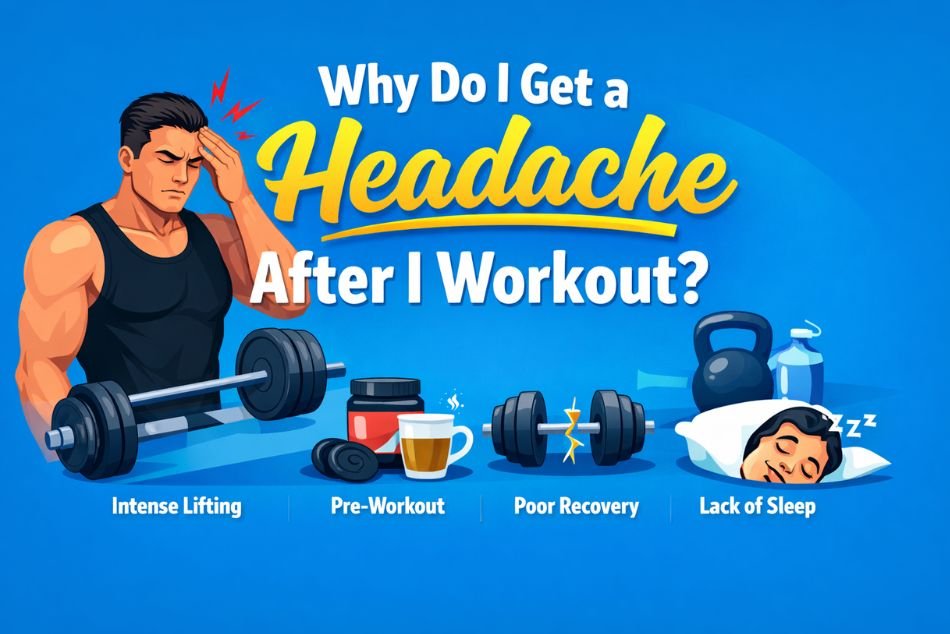
Understanding Workout Headaches
Exercise headaches typically fall into a few categories. Some begin during training. Others show up 10 to 60 minutes after you finish. A few can linger for hours.
Most are linked to:
- Dehydration
- Blood pressure spikes
- Improper breathing
- Low blood sugar
- Muscle tension in the neck and shoulders
- Overtraining
- Heat stress
If you often think, I get headaches when I workout, chances are one or more of these factors are in play.
The key is identifying which one applies to you.
1) Dehydration: The Most Common Culprit
Let’s start with the obvious.
When you train, you sweat. When you sweat, you lose fluids and electrolytes. Even a small drop in hydration can reduce blood volume. That means less efficient oxygen delivery to your brain.
The result? Headache.
What many lifters don’t realize is dehydration often starts before the workout. If you wake up slightly dehydrated and train intensely without correcting it, you’re already behind.
Signs Your Headache Is Dehydration-Related
- Dry mouth
- Dark urine
- Fatigue during session
- Slight dizziness
- Cramping
What to Do
- Drink water steadily throughout the day, not just pre-workout
- Add electrolytes for long or intense sessions
- Don’t rely only on thirst as your guide
If you train in humid environments, hydration becomes even more critical. Sweat loss increases significantly.
2) Holding Your Breath During Lifts
This one is extremely common among serious lifters.
During heavy squats, deadlifts, or pressing movements, many people unintentionally hold their breath too long. While the Valsalva maneuver is useful for bracing, excessive breath-holding spikes intracranial pressure.
That pressure can trigger a throbbing headache, often described as sudden and intense.
If you’re lifting close to failure frequently and asking why do I get a headache after I workout, your breathing pattern might be the missing piece.
Fix
- Inhale before the lift
- Brace properly
- Exhale under control during the hardest part
- Avoid straining longer than necessary
Bracing is good. Overstraining is not.
3) Blood Pressure Spikes From Intensity
Heavy compound lifts increase blood pressure temporarily. That’s normal. But extreme intensity, especially without conditioning, can create sharp vascular headaches.
These are often called exertional headaches.
They feel:
- Pulsating
- Bilateral (both sides of head)
- Worse with continued activity
If you suddenly jump from moderate training to high-volume, high-intensity workouts, your body may react negatively.
Progressive overload applies to your cardiovascular system too. You can’t shock it and expect zero consequences.
4) Low Blood Sugar (Training Under-Fueled)
If you train fasted or eat too little before your session, blood glucose may drop during or after exercise.
Your brain relies heavily on glucose. When levels dip, symptoms can include:
- Headache
- Shakiness
- Irritability
- Weakness
Many people who say I get headaches when I workout are simply under-fueling.
This is especially common in:
- Fat loss phases
- Aggressive calorie deficits
- Long gap between meals and workout
Smart Pre-workout Fueling
Have a balanced snack 45–90 minutes before training:
- Banana + whey protein
- Oats + peanut butter
- Toast + eggs
- Greek yogurt + fruit
You don’t need a huge meal. Just stable energy.
5) Poor Warm-Up
Jumping straight into heavy lifting without gradually elevating heart rate can shock your system.
Your blood vessels need time to dilate properly. Your nervous system needs activation. Your muscles need increased blood flow.
A rushed warm-up can increase the likelihood of headaches post training.
Better Warm-Up Structure
- 5 minutes light cardio
- Dynamic mobility work
- Gradual ramp-up sets before heavy lifts
This reduces sudden pressure spikes.
6) Neck and Shoulder Tension
Upper traps, levator scapulae, and suboccipital muscles can become tight during training.
If you:
- Shrug shoulders while pressing
- Hyperextend your neck during squats
- Clench jaw during sets
You create tension that radiates upward.
Tension-type headaches often feel:
- Tight
- Band-like around forehead
- Dull but persistent
Add:
- Post-workout stretching
- Trap and neck mobility work
- Foam rolling upper back
- Posture correction drills
This alone can reduce frequency significantly.
7) Heat and Environment
Training in hot conditions increases core temperature. Your body diverts blood toward the skin to cool down.
That shift can alter cerebral blood flow temporarily, contributing to headaches.
If you train in non-AC gyms, outdoors, or poorly ventilated spaces, this matters.
Hydrate more. Cool down properly. Don’t rush from extreme heat to air conditioning instantly.
8) Caffeine Mismanagement
Pre-workouts contain stimulants. Caffeine can constrict blood vessels initially, then cause rebound dilation later.
Too much caffeine, especially combined with dehydration, increases headache risk.
If you rely heavily on stimulants, reduce dosage gradually and monitor how your body reacts.
9) Overtraining and CNS Fatigue
This is more advanced but important.
High frequency, high volume, poor sleep, and insufficient recovery overload your nervous system.
Symptoms:
- Persistent fatigue
- Irritability
- Plateaued performance
- Headaches
If you constantly push to failure and rarely deload, your body will push back.
Recovery is not optional. It’s part of growth.
10) Post-workout Blood Pooling
After intense exercise, stopping abruptly can cause temporary blood pressure shifts.
Always cool down gradually:
- Light walking
- Deep breathing
- Stretching
Don’t go from heavy deadlifts straight to sitting in your car.
When to Take It Seriously
Most exercise headaches are harmless. But you should consult a doctor if:
- The headache is explosive and sudden
- It feels like the worst headache of your life
- You experience vision changes
- There is vomiting or fainting
- It happens every single intense workout
Better safe than sorry.
How to Prevent Workout Headaches Long-Term
Let’s bring everything into a practical system.
1) Hydration Rule: Bodyweight (kg) × 35–40 ml water daily minimum.
Increase if:
- Sweating heavily
- Training long sessions
- Weather is hot
2) Fuel Properly: Never train hard in a severe deficit without planning. Structure your calories around performance.
3) Program Intelligently: Not every workout should be maximal intensity.
Rotate:
- Heavy days
- Moderate hypertrophy days
- Lower intensity pump sessions
4) Sleep 7–8 Hours: Poor sleep increases headache sensitivity.
5) Monitor Caffeine: Stay under 300–400 mg daily.
6) Improve Breathing Mechanics: Practice diaphragmatic breathing outside the gym too.
7) Manage Stress: Life stress + gym stress = higher risk of symptoms.
Special Considerations for Bodybuilders
Since SPCFiTZ readers often train for hypertrophy, let’s talk specifics.
During:
- Drop sets
- Supersets
- Forced reps
- High-rep leg days
You dramatically increase blood pressure and metabolic stress.
If you’re cutting, dehydrated, and pushing volume aggressively, your risk increases.
Instead of asking only why do I get a headache after I workout, ask:
- Am I recovering properly?
- Am I eating enough carbs?
- Am I overusing stimulants?
- Am I warming up correctly?
Most answers lie there.
What to Do if You Already Have a Post-workout Headache
- Hydrate with electrolytes
- Eat a balanced meal
- Rest in a dim environment
- Gentle neck stretching
- Cold compress if throbbing
- Avoid immediate caffeine
Do not jump back into another intense activity.
A Structured Headache Prevention Checklist
Before Workout:
- Hydrated?
- Ate within 90 minutes?
- Warmed up properly?
- Reasonable caffeine dose?
During Workout:
- Breathing correctly?
- Not overstraining every set?
- Taking proper rest intervals?
After Workout:
- Cool down completed?
- Rehydrated?
- Post-workout meal consumed?
Simple habits create big changes.
The Psychological Side
Sometimes, if you expect pain, you become hyper-aware of sensations.
If you’ve repeatedly thought, I get headaches when I workout, that mental pattern can increase stress response.
Shift focus to:
- Controlled breathing
- Steady pacing
- Confidence in your preparation
Mindset affects physiology more than people realize.
Final Thoughts: Train Hard, but Train Smart
At some point, almost every serious trainee wonders, why do I get a headache after I workout. The answer is rarely mysterious. It’s usually hydration, fueling, breathing, intensity management, or recovery.
Listen to your body without overreacting. Adjust variables one at a time. Track patterns.
When your training, nutrition, sleep, and hydration align, headaches typically decrease or disappear.
If you consistently think I get headaches when I workout, treat it as feedback, not a limitation.
Respect recovery. Fuel performance. Warm up properly. Manage intensity.
Do that, and the question why do I get a headache after I workout becomes something you used to ask, not something you struggle with now.
Train strong. Recover stronger.
Frequently Asked Questions (FAQs)
Q1) Are Workout Headaches More Common During Certain Types of Training?
Yes. They’re more common during high-intensity or high-pressure activities such as heavy squats, deadlifts, sprint intervals, CrossFit-style circuits, and high-rep leg days. These sessions create sharp spikes in blood pressure and demand strong breathing control.
If your headaches mainly happen on heavy compound lift days, intensity management and breathing mechanics should be your first area to examine.
Q2) Why Do I Only Get Headaches After Leg Day?
Leg training activates the largest muscle groups in your body. This significantly increases cardiovascular demand and blood pressure compared to smaller muscle sessions like arms or shoulders.
Exercises like squats and leg presses also encourage breath holding and bracing, which can increase intracranial pressure. If headaches happen mostly after leg workouts, focus on controlled breathing and slightly longer rest periods between sets.
Q3) Can Pre-workout Supplements Trigger Headaches?
Yes, especially if they contain high doses of caffeine or other stimulants. Large stimulant doses can cause rapid blood vessel constriction followed by dilation, which may lead to headaches later.
Other ingredients like niacin can also cause flushing and discomfort in sensitive individuals.
If you suspect your supplement:
- Reduce dosage
- Switch to a lower-stim formula
- Try training without it for 1–2 weeks
Track the difference.
Q4) Is It Safe to Continue Training if I Get Mild Workout Headaches?
If the headache is mild, short-lasting, and clearly linked to hydration or intensity, you can usually continue training after correcting the cause.
However, if headaches:
- Are severe
- Keep increasing in intensity
- Happen every session
- Feel sudden and explosive
Stop training and seek medical advice before continuing.
Q5) Why Do Headaches Sometimes Start Hours After My Workout?
Delayed headaches are often linked to:
- Incomplete rehydration
- Post-workout blood sugar dips
- Accumulated neck and shoulder tension
- Nervous system fatigue
Just because you felt fine during the session doesn’t mean recovery demands were fully met.
Post-workout nutrition and cooling down properly matter more than most people think.
Q6) Can Poor Sleep Make Workout Headaches Worse?
Absolutely. Sleep deprivation increases stress hormones and makes your nervous system more sensitive to pain signals.
If you’re consistently sleeping under 6–7 hours and training intensely, your headache threshold lowers significantly.
Improving sleep quality alone often reduces workout-related headaches.
Q7) Do Migraines and Exercise Headaches Differ?
Yes. Migraines often include:
- Light sensitivity
- Nausea
- Visual disturbances
- One-sided head pain
Exercise headaches are usually bilateral and directly tied to physical exertion.
If you have a history of migraines, intense training may act as a trigger. In that case, consult a healthcare provider for tailored advice.
Q8) Can Cutting (Fat Loss Phase) Increase Headache Risk?
Yes. During calorie deficits, especially aggressive ones:
- Carbohydrate intake drops
- Electrolyte balance may shift
- Energy availability decreases
This makes your body more vulnerable to dehydration and blood sugar dips.
If you’re dieting hard and experiencing headaches, slightly increasing carbs around your workout may help.
Q9) Should I Avoid Heavy Lifting if I’ve Had Exertion Headaches Before?
Not necessarily. Most primary exertion headaches improve with:
- Better hydration
- Controlled breathing
- Gradual intensity progression
- Adequate rest
Completely avoiding heavy lifting isn’t usually required unless advised by a medical professional.
Q10) How Long Do Exercise Headaches Typically Last?
Most primary workout headaches last anywhere from 5 minutes to a few hours. In some cases, mild discomfort can linger for up to 24 hours.
If headaches last longer than a day or feel progressively worse over time, that’s a signal to get evaluated.