How Long Does Pump Last After a Workout and Why It Happens
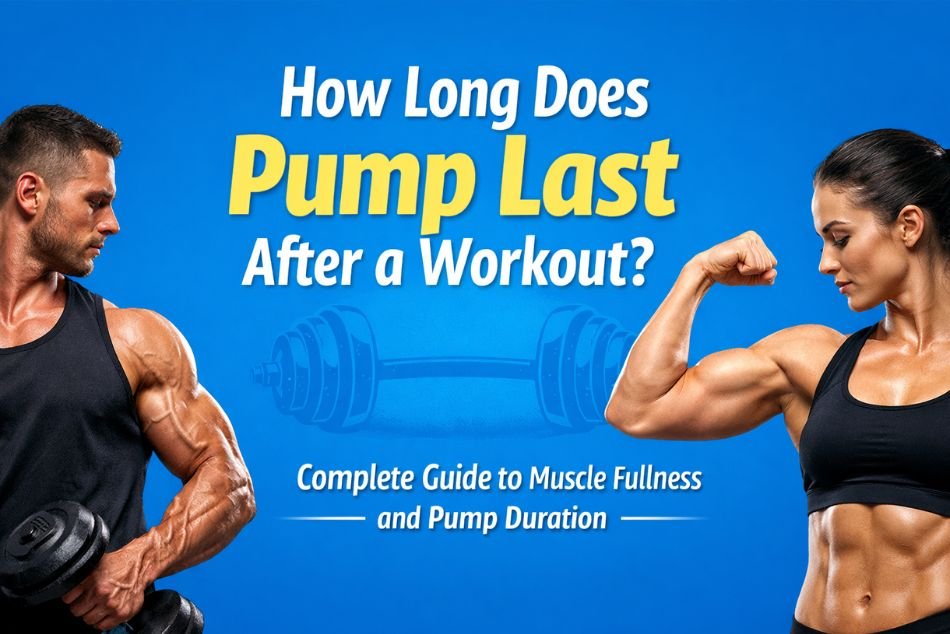
If you train regularly, you’ve felt it. Muscles tight, skin stretched, veins popping, and everything looking bigger in the mirror. That satisfying post-workout feeling is what lifters call “the pump.” But one of the most common questions in gyms and online forums is simple: how long does pump last after a workout?
The answer isn’t the same for everyone. For some, the pump fades in 30 minutes. For others, it hangs around for hours. In rare cases, subtle muscle swelling can last a day or more. Understanding what controls this process can help you train smarter, fuel better, and even improve long-term muscle growth.
In this complete guide, we’ll cover what a pump really is, how long it typically lasts, what shortens or extends it, how nutrition and hydration play a role, how it connects to muscle growth, and even clarify the difference between a gym pump and a breast pump, since both terms are often confused online.
What Is a Muscle Pump?
The muscle pump happens when blood rushes into working muscles during resistance training. As you contract a muscle repeatedly, blood flow increases dramatically to deliver oxygen and nutrients and remove waste products. The veins partially compress, trapping more blood inside the muscle.
This causes:
- Temporary increase in muscle size
- Tight and firm feeling
- Increased vascularity
- Warmth in the trained area
Scientifically, this is called transient hypertrophy or cell swelling. It is temporary, but it plays a role in muscle signaling and training feedback.
How Long Does Pump Last: Typical Time Frames
So let’s answer the core question clearly.
How Long Does Pump Last After a Workout?
For most people, a gym pump lasts anywhere between 30 minutes to 3 hours.
Here is the usual timeline.
Peak Phase: Immediately After Training
Right after your final set, the pump is at its strongest.
- Duration: 15 to 60 minutes
- Muscles look visibly fuller
- Tightness and vascularity are highest
This is when most gym photos are taken.
Fading Phase: Blood Rebalancing
As your heart rate comes down and circulation normalizes, blood gradually leaves the trained muscles.
- Duration: 1 to 3 hours
- Muscle fullness slowly reduces
- Tight feeling fades
- Size returns closer to baseline
For most lifters, the visible pump is mostly gone by the time they reach home.
Longer Effects: Post-workout Swelling
Although the visible pump fades quickly, a more subtle form of muscle swelling can last longer.
- Caused by micro-damage and inflammation
- Peaks around 24 to 72 hours after training
- Especially noticeable after hard leg days or new exercises
This is not the same as the pump, but it can make muscles feel fuller and sore for a few days.
What Determines How Long Does Pump Last
Several factors decide whether your pump fades fast or sticks around longer.
Hydration Levels
Hydration is one of the biggest influences.
Well-hydrated muscles hold more water and blood volume. This keeps them fuller for longer.
Dehydration reduces plasma volume and limits blood flow, killing the pump quickly.
If your pump fades fast every session, water intake is often the first thing to fix.
Nutrition and Glycogen Stores
Carbohydrates are critical.
When muscles are full of glycogen, they attract water into the muscle cells. This increases volume and fullness.
Low-carb diets or training fasted often lead to flatter, shorter pumps.
Nutrients that help:
- Carbohydrates
- Sodium and electrolytes
- Nitrates from beetroot and spinach
Protein supports recovery but does not directly influence pump duration.
Workout Style
Your training style has a huge impact on how long does pump last.
Pump-friendly styles include:
- Moderate weights
- Higher reps (8 to 15)
- Short rest periods (30 to 90 seconds)
- Supersets and drop sets
- Slow controlled tempo
Heavy low-rep training with long rest periods creates less pump, even though it builds strength.
Training Intensity
Harder sessions usually create bigger pumps.
High volume
High time under tension
More metabolic stress
All lead to greater blood pooling and stronger swelling.
Individual Body Chemistry
Genetics matter.
Some people naturally have:
- Better capillary density
- Higher nitric oxide production
- Favorable muscle shape
These lifters pump easily and hold fullness longer. Others may need more volume and carbs to achieve the same effect.
The Role of Supplements in Pump Duration
Supplements are not required, but some can enhance the pump.
Common pump-enhancing ingredients include:
- Citrulline malate
- L-arginine
- Nitrates
- Glycerol
- Creatine
Creatine, in particular, increases intracellular water content. Over time, this can make your baseline muscle fullness better and improve pump quality.
However, no supplement can replace proper hydration, nutrition, and training structure.
Can the Pump Lead to Muscle Growth?
Many lifters believe the pump equals growth. The truth is more balanced.
The pump itself does not directly build muscle. But it contributes to conditions that support hypertrophy:
- Increased blood flow
- Better nutrient delivery
- Metabolic stress
- Cell swelling signaling
Muscle growth still depends mainly on:
- Progressive overload
- Adequate volume
- Recovery
- Nutrition
Think of the pump as a useful training indicator, not the main driver.
How Long Does Pump Last Compared to Muscle Swelling
This is where many people get confused.
Pump
- Blood-based
- Lasts minutes to hours
- Caused by circulation
Post-Workout Swelling
- Inflammation-based
- Lasts 1 to 3 days
- Caused by muscle repair
After intense workouts, especially new movements, muscles may look fuller for days. This is not the pump. It is inflammation and tissue repair.
Common Mistakes That Reduce Pump Duration
If your pump disappears too fast, check these habits.
- Poor Hydration: Most common cause. Aim for steady water intake throughout the day, not only during training.
- Long Rest Periods: If you rest too long, blood leaves the muscle and the pump fades.
- Training Without Carbs: Low glycogen equals flat muscles. Even a small pre-workout carb meal can dramatically improve pump quality.
- Rushed Reps: Fast, sloppy reps reduce time under tension and blood flow.
- Training Cold: Skipping warm-ups limits circulation early in the workout.
Practical Tips to Extend Your Pump
If you want a longer-lasting pump, apply these consistently.
- Drink water before, during, and after training
- Eat carbs pre-workout and post-workout
- Use higher reps and moderate weights
- Keep rest periods controlled
- Finish with supersets or drop sets
- Include nitrate-rich foods like beetroot
- Maintain electrolytes
These steps won’t turn a 30-minute pump into a full-day effect, but they can easily double its visible duration.
How Long Does Pump Last in Different Muscle Groups
Some muscles hold pumps longer than others.
- Arms and shoulders pump fast and fade fast
- Chest and back hold moderate pumps
- Legs often swell longer due to inflammation
Leg sessions often create fullness that lasts into the next day, but again, this is swelling, not pure pump.
Clarifying the Term “Pump”: Gym Pump vs Breast Pump
Since the term “pump” is used in different contexts, it’s important to clarify.
When we talk about how long does pump last in fitness, we mean muscle fullness after training.
However, some people search this phrase in relation to breast pumps used for lactation.
This has nothing to do with muscle pumps, but the term causes confusion in search results, so it’s useful to separate the two clearly.
Practical Sample Workout to Maximize Pump
Here’s a simple but effective style you can use the next time you train:
Chest and Back Pump Workout
- Warm-up: Light Dumbbell Presses and Rows – 2 Sets Each
- Superset 1:
- Incline Dumbbell Press – 12 Reps
- Rest 60 seconds | 3 Rounds
- Superset 2:
- Cable Flyes – 12–15 Reps
- Rest 60 seconds | 3 Rounds
- Burnout Finisher:
- Push-Ups Till Failure
- Band Pull-Apart 20 Reps
Focus on controlled movement, full range of motion, and minimal rest. This style keeps blood in the muscles and maintains the pump.
Wrapping Up: How Long Does Pump Last and What Should You Expect
So let’s close with a clear answer one final time.
How long does pump last after a workout typically ranges from 30 minutes to 3 hours, with the strongest effect in the first 15 to 60 minutes. After that, blood gradually returns to normal circulation, and visible fullness fades. In some cases, mild muscle swelling from repair can last days, but that is a different process.
The pump is a great feedback signal. It tells you blood flow is high, muscles are working, and metabolic stress is present. But real progress still comes from consistent training, smart programming, proper nutrition, and recovery.
Chase performance first, enjoy the pump when it comes, and let long-term growth be the real goal.
Frequently Asked Questions (FAQs)
Q1) How Long Does Pump Last After a Workout?
For most people, a gym pump lasts between 30 minutes to 3 hours after training. The peak fullness is usually felt within the first 15 to 60 minutes, then gradually fades as blood circulation returns to normal.
Q2) Can a Pump Last the Whole Day?
No, a visible muscle pump does not last all day. Blood flow always rebalances within a few hours. However, mild muscle swelling from inflammation and recovery can make muscles feel fuller for 24 to 72 hours, especially after intense sessions.
Q3) Why Does My Pump Disappear So Quickly?
The most common reasons are:
- Dehydration
- Low carbohydrate intake
- Long rest periods between sets
- Low training volume
- Poor circulation
Improving hydration, nutrition, and workout structure usually helps.
Q4) Does a Bigger Pump Mean Better Muscle Growth?
Not necessarily. A pump shows good blood flow and metabolic stress, which supports hypertrophy, but real muscle growth mainly depends on:
- Progressive overload
- Training volume
- Recovery
- Proper nutrition
A workout without a big pump can still be very effective.
Q5) Which Muscles Hold a Pump the Longest?
- Arms and shoulders pump quickly but fade fast.
- Chest and back hold moderate pumps.
- Legs often stay swollen longer due to post-workout inflammation, not just blood flow.
Q6) Can Supplements Increase How Long the Pump Lasts?
Yes, some supplements can enhance pump duration and intensity, including:
- Citrulline malate
- L-arginine
- Nitrates
- Creatine
However, hydration and carbs have a much bigger impact than supplements.
Q7) Is Post-Workout Soreness the Same as a Pump?
No. A pump is caused by blood flow and lasts minutes to hours. Soreness and swelling come from muscle damage and inflammation and can last 1 to 3 days.
Q8) Why Do Beginners Get Stronger Pumps?
Beginners often experience stronger pumps due to:
- Higher inflammation response
- New training stimulus
- Less adaptation
As you become advanced, pumps may feel less dramatic but training effectiveness improves.
Q9) Does Cardio Create a Muscle Pump?
Light cardio usually does not create a noticeable pump. High-intensity interval training or sprint work can cause temporary muscle fullness, but resistance training produces the strongest pumps.
Q10) Why Do Pumps Feel Stronger Some Days?
Hydration, carb intake, sleep quality, and training intensity all influence pump strength daily.