Cardio After Weights or Before: What You Should Really Do
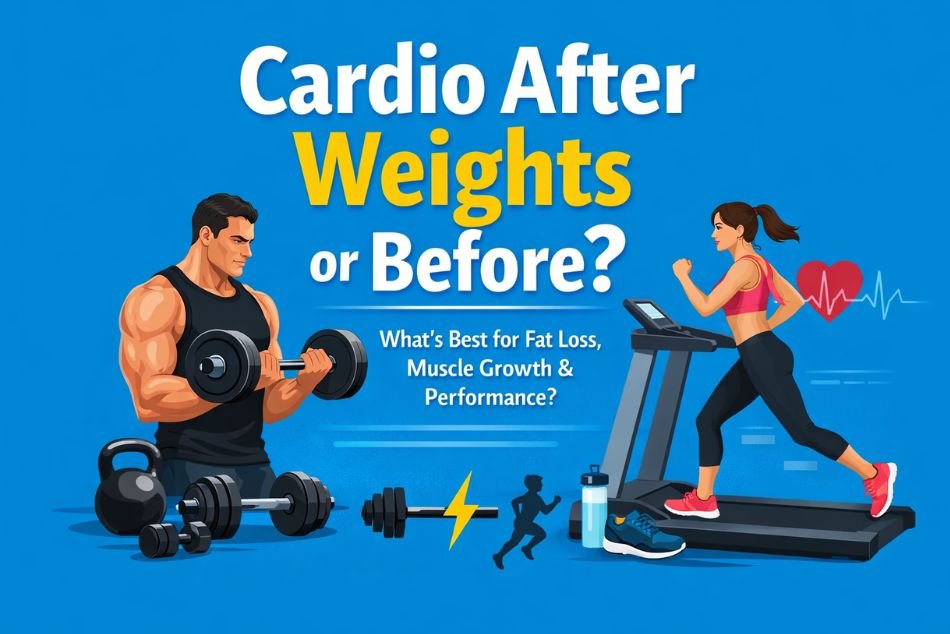
If you’ve ever walked into the gym wondering whether to hit the treadmill first or go straight to the weights, you’re not alone. The debate around cardio after weights or before has been going on for years, and the answer isn’t as black and white as most people think.
The truth is, the order you choose depends heavily on your goal. Whether you want to burn fat, build muscle, improve endurance, or just stay healthy, the way you structure your workout matters more than blindly following trends. Understanding how your body responds to different training sequences can help you get better results without wasting time or energy.
Let’s break it down in a practical, no-nonsense way so you can decide what works best for your body and your goals.
Understanding Cardio and Weight Training
Before diving into the order, it’s important to understand what each type of exercise does.
What Is Cardio?
Cardio, or aerobic exercise, includes activities like running, cycling, walking, or using machines like the elliptical. It primarily improves:
- Heart health
- Lung capacity
- Endurance
- Calorie burning
What Is Weight Training?
Weight training (resistance training) focuses on building:
- Muscle mass
- Strength
- Bone density
- Metabolic rate
Both forms of exercise are valuable. The key is how you combine them.
The Science Behind Exercise Order
Your body uses different energy systems depending on the type of exercise you perform.
- Weight training relies more on glycogen (stored carbs in muscles)
- Cardio uses a mix of glycogen and fat, depending on intensity
When you perform cardio first, you may deplete glycogen stores, which can reduce your strength during weight training. On the other hand, lifting weights first can preserve strength and allow for better muscle stimulation.
This is where the strategy comes in.
Cardio After Weights: Why It’s Often Recommended
Let’s start with what most trainers suggest.
1) Better Strength Performance
When you lift weights first, your muscles are fresh. This allows you to:
- Lift heavier
- Maintain better form
- Push closer to failure
If you do cardio first, especially high-intensity cardio, you may feel fatigued and unable to perform at your best.
2) More Effective Muscle Growth
Muscle growth (hypertrophy) depends on:
- Mechanical tension
- Progressive overload
Starting with weights ensures you give your muscles maximum effort.
3) Enhanced Fat Burning
Here’s something interesting:
After weight training, your glycogen levels are already reduced. When you follow it with cardio, your body may rely more on fat for energy.
This is one of the biggest reasons people prefer cardio after weights or before debate leaning toward doing cardio after lifting.
4) Hormonal Advantage
Weight training increases anabolic hormones like testosterone and growth hormone. Doing cardio afterward allows you to take advantage of this state without interfering with it.
Cardio Before Weights: When It Makes Sense
That said, doing cardio first isn’t wrong. It depends on your priority.
1) Improving Cardiovascular Endurance
If your main goal is:
- Running performance
- Stamina
- Sports conditioning
Then doing cardio first makes more sense because:
- You’re fresh
- You can push harder
- You can train longer
2) Proper Warm-Up (Low Intensity)
A light 5–10 minute cardio session before weights can:
- Increase blood flow
- Warm up joints
- Reduce injury risk
But this should be low intensity, not exhausting.
3) Fat Loss Beginners
For beginners, doing cardio first can help:
- Ease into the workout
- Increase calorie burn early
- Build consistency
However, it shouldn’t be too intense if you plan to lift afterward.
Fat Loss: Which Order Works Better?
Fat loss is one of the biggest reasons people combine cardio and weights.
The Reality
Fat loss depends on:
- Calorie deficit
- Consistency
- Training intensity
What Works Best?
For most people:
- Weight training first
- Cardio afterward
Why?
- You preserve strength
- You build muscle (which increases metabolism)
- You burn additional calories with cardio
This approach makes the cardio after weights or before decision easier for fat loss goals.
Muscle Gain: The Clear Winner
If your goal is muscle growth, the answer is straightforward.
Always Do Weights First
Here’s why:
- Muscle growth requires maximum effort
- Cardio fatigue reduces lifting performance
- Energy should be reserved for resistance training
Too much cardio before weights can:
- Reduce strength
- Limit progressive overload
- Slow muscle gains
If you’re serious about bodybuilding or aesthetics, weights should always come first.
Endurance Training: Flip the Order
If your goal is endurance, the strategy changes.
Do Cardio First
Athletes like runners or cyclists should:
- Prioritize cardio performance
- Train in a fresh state
- Use weights as supportive training
In this case, the cardio after weights or before debate leans toward cardio first.
The Interference Effect (Important Concept)
There’s something called the “interference effect.”
This happens when:
- Endurance training (cardio)
- Strength training (weights)
compete for recovery and adaptation.
What Does It Mean?
Doing too much cardio can:
- Reduce strength gains
- Interfere with muscle growth
That’s why balance matters.
Best Strategy Based on Your Goal
1) For Fat Loss
- Weights first
- Cardio after
- Moderate intensity cardio
2) For Muscle Gain
- Weights first
- Minimal or separate cardio
3) For Endurance
- Cardio first
- Weights after or separate day
4) For General Fitness
- Either order works
- Focus on consistency
Should You Separate Cardio and Weights?
If you want the best of both worlds, consider splitting sessions.
Example:
- Morning: Cardio
- Evening: Weights
Benefits:
- Better performance in both
- Reduced fatigue
- Improved recovery
This is ideal if you have time and want optimal results.
How Much Cardio Is Too Much?
This is where many people go wrong.
Signs You’re Overdoing Cardio
- Constant fatigue
- Strength loss
- Poor recovery
- Muscle loss
Ideal Range
- 2–4 sessions per week
- 20–40 minutes each
Adjust based on your goal.
Fasted Cardio: Does It Matter?
Some people, including many IFBB Pros, prefer doing cardio on an empty stomach.
Pros
- May increase fat oxidation
- Convenient for mornings
Cons
- Lower performance
- Possible muscle breakdown
Overall, total calories burned matter more than timing.
Common Mistakes to Avoid
1) Doing Intense Cardio Before Heavy Lifting: This reduces strength and increases injury risk.
2) Skipping Weights for Cardio
This can lead to:
- Muscle loss
- Slower metabolism
3) Overtraining: More isn’t always better.
4) Ignoring Recovery: Sleep, nutrition, and rest are just as important.
Sample Weekly Plan
Fat Loss Plan
- Monday: Weights + Cardio
- Tuesday: Cardio
- Wednesday: Weights + Cardio
- Thursday: Rest
- Friday: Weights + Cardio
- Saturday: Light Cardio
- Sunday: Rest
Muscle Gain Plan
- Monday: Chest + Triceps
- Tuesday: Back + Biceps
- Wednesday: Rest or Light Cardio
- Thursday: Legs
- Friday: Shoulders
- Saturday: Optional Cardio
- Sunday: Rest
Nutrition Matters More Than Timing
No matter what you choose in the cardio after weights or before debate, your diet plays a bigger role.
Focus On
- Adequate protein
- Balanced carbs and fats
- Hydration
- Calorie control
Training order helps, but nutrition drives results.
Final Verdict: What Should You Do?
Let’s simplify everything.
- Want muscle? → Weights first
- Want fat loss? → Weights first, cardio after
- Want endurance? → Cardio first
- Want general fitness? → Do what you enjoy and stay consistent
The best routine is the one you can stick to long term.
Wrapping Up
At the end of the day, the debate around cardio after weights or before comes down to your priorities. There’s no universal rule that works for everyone, but there is a smarter way to approach it.
If your focus is aesthetics, strength, or fat loss, lifting weights first and adding cardio afterward is usually the most effective approach. If endurance is your priority, flipping the order makes more sense.
Instead of overthinking it, align your workout structure with your goal, stay consistent, and track your progress. That’s what truly moves the needle.
And remember, the best results don’t come from doing things perfectly. They come from doing the right things consistently.
Frequently Asked Questions (FAQs)
Q1) Is Cardio After Weights or Before Better for Fat Loss?
For most people, doing cardio after weights or before comes down to preserving strength. If fat loss is your goal, it’s generally better to lift weights first and then do cardio. This helps you maintain muscle while increasing overall calorie burn.
Q2) Can I Do Cardio and Weights on the Same Day?
Yes, you can absolutely do both on the same day. Just make sure you:
- Prioritize your main goal (weights for muscle, cardio for endurance)
- Manage intensity
- Allow proper recovery
Q3) Will Doing Cardio Before Weights Reduce Muscle Gains?
It can, especially if the cardio is intense. Doing high-intensity cardio before lifting may reduce your strength and performance, which can limit muscle growth over time.
Q4) How Long Should Cardio Be After Weight Training?
A good range is:
- 20 to 30 minutes for moderate intensity
- 10 to 15 minutes for high intensity
This is enough to boost fat loss without interfering with recovery.
Q5) Is It Okay to Skip Cardio Completely?
Yes, especially if your main goal is muscle gain. However, including some cardio is still beneficial for:
- Heart health
- Recovery
- Overall fitness
Q6) Should Beginners Do Cardio First or Weights?
Beginners can start with light cardio as a warm-up, then move to weights. Over time, they can structure workouts based on their goals.
Q7) What Type of Cardio Is Best After Weights?
Low to moderate intensity cardio works best after weight training. Examples include:
- Walking on an incline
- Cycling
- Light jogging
This helps burn calories without overloading your body.
Q8) Does Fasted Cardio Give Better Results?
Fasted cardio may increase fat usage during the workout, but overall fat loss still depends on your total calorie balance throughout the day.
Q9) Can I Separate Cardio and Weights Into Different Sessions?
Yes, this is actually one of the best approaches if you have time. For example:
- Cardio in the morning
- Weights in the evening
This allows you to perform better in both sessions.
Q10) What’s the Simplest Rule to Follow?
If you’re confused about cardio after weights or before, just remember:
- Lift first for muscle and fat loss
- Do cardio first for endurance
Stick with this rule, and you’ll be on the right track.