What Foods Boost Your Metabolism and Help Burn More Calories?
If you’ve ever tried to lose fat or maintain a lean physique, you’ve probably wondered what foods boost your metabolism and whether certain foods can actually help your body burn more calories. The truth is, metabolism plays a huge role in how efficiently your body uses energy, burns fat, and supports overall health.
Your metabolism is essentially the process by which your body converts food into energy. While genetics, age, muscle mass, and activity levels influence metabolic rate, the foods you eat can also make a noticeable difference. Some foods require more energy to digest, while others stimulate hormones or processes that increase calorie burning.
For people who train regularly or follow a structured fitness routine, choosing the right foods can help support fat loss, energy levels, and muscle recovery. In this guide, we’ll break down the science and explain what foods boost your metabolism, how they work, and how you can include them in your daily diet.

Understanding How Metabolism Works
Before diving into specific foods, it helps to understand what metabolism actually means.
Your metabolism is made up of three main components:
1) Basal Metabolic Rate (BMR)
This is the number of calories your body burns at rest to maintain basic functions such as breathing, circulation, and cell repair. BMR accounts for about 60–70% of daily calorie expenditure.
2) Physical Activity
Exercise and movement significantly increase calorie burn. Resistance training and high-intensity workouts can also raise metabolism for hours after training.
3) Thermic Effect of Food (TEF)
This refers to the calories your body burns digesting and processing food. Certain foods require more energy to digest, which slightly increases metabolism.
Foods high in protein, fiber, and certain natural compounds tend to have the highest thermic effect.
Why Food Choices Matter for Metabolism
Many people focus only on calorie counting, but the quality of calories matters just as much as quantity.
Certain foods can:
- Increase calorie burning during digestion
- Support muscle growth (which increases metabolic rate)
- Improve insulin sensitivity
- Reduce cravings and stabilize blood sugar
- Enhance fat oxidation
While no food will magically melt fat overnight, consistently choosing metabolism-supporting foods can make a meaningful difference over time.
High-Protein Foods That Boost Metabolism
Protein is one of the most powerful nutrients when it comes to supporting metabolism.
Your body burns 20–30% of protein calories during digestion, compared with 5–10% for carbohydrates and 0–3% for fats.
Benefits of Protein for Metabolism
- Increases thermic effect of food
- Preserves lean muscle mass
- Supports muscle growth
- Keeps you fuller for longer
- Reduces late-night snacking
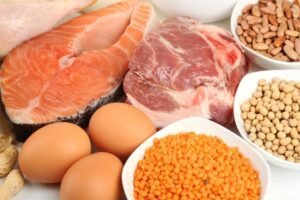
Best High-Protein Foods
- Eggs: Eggs provide high-quality protein and essential amino acids that support muscle repair and metabolism.
- Greek Yogurt: Greek yogurt contains almost double the protein of regular yogurt and also supports gut health.
- Chicken Breast: Lean poultry is one of the most efficient sources of metabolism-supporting protein.
- Paneer (Cottage Cheese): A great vegetarian option that contains casein protein, which digests slowly and keeps you full.
- Lentils and Chickpeas: Legumes provide both protein and fiber, creating a powerful combination for metabolism.
For people focused on building muscle, protein intake should generally fall between 1.6–2.2 grams per kilogram of body weight.
Spicy Foods That Increase Calorie Burning
Spicy foods contain compounds that can slightly raise metabolic rate.
The main compound responsible is capsaicin, found in chili peppers.
Capsaicin can:
- Increase calorie expenditure
- Stimulate fat oxidation
- Reduce appetite in some individuals
Examples of Metabolism-Boosting Spices
- Chili peppers
- Cayenne pepper
- Red chili flakes
- Hot sauces
Adding a small amount of spice to meals may help increase calorie burning throughout the day.
However, the effect is modest, so spicy foods should be seen as a small boost rather than a miracle solution.
Green Tea and Coffee for Metabolism Support
Two of the most popular metabolism-boosting beverages are green tea and coffee.
Green Tea
Green tea contains antioxidants called catechins, which may help increase fat oxidation during exercise.
Benefits include:
- Increased fat burning
- Improved metabolic efficiency
- Reduced oxidative stress
Drinking 2–3 cups per day may provide metabolic benefits.
Coffee
Coffee contains caffeine, a natural stimulant that increases metabolic rate.
Caffeine can:
- Boost calorie burning
- Improve workout performance
- Increase alertness and energy
However, avoid excessive intake, especially late in the day, as it may affect sleep quality.
Whole Grains That Support a Healthy Metabolism
Refined carbohydrates can cause rapid blood sugar spikes and crashes. Whole grains, on the other hand, provide fiber and nutrients that support metabolic health.
Best Whole Grains
- Oats: Oats contain soluble fiber that slows digestion and stabilizes blood sugar.
- Brown Rice: A healthier alternative to white rice with higher fiber content.
- Quinoa: Quinoa contains both protein and fiber, making it an excellent metabolism-supporting food.
- Barley: Barley helps regulate blood sugar levels and promotes satiety.
Whole grains take longer to digest, which slightly increases the thermic effect of food.
Healthy Fats That Improve Metabolic Function
Contrary to popular belief, not all fats slow metabolism. Healthy fats are essential for hormone production and metabolic balance.
Best Sources of Healthy Fats
- Avocados: Rich in monounsaturated fats that support heart health and metabolism.
- Nuts (Almonds, Walnuts, Pistachios): Nuts contain healthy fats, fiber, and protein.
- Seeds (Chia, Flax, Pumpkin): Seeds provide omega-3 fatty acids and important micronutrients.
- Olive Oil: A staple of the Mediterranean diet that supports metabolic health.
Healthy fats also help control hunger, making it easier to maintain a calorie deficit when trying to lose fat.
Fiber-Rich Foods That Support Fat Loss
Fiber slows digestion and stabilizes blood sugar levels, which can improve metabolic health.
High-fiber foods help:
- Reduce overeating
- Improve gut health
- Promote fat loss
- Stabilize insulin levels
Top Fiber-Rich Foods
- Broccoli: Low in calories but high in fiber and nutrients.
- Spinach: Provides vitamins, minerals, and antioxidants.
- Apples: Contain pectin fiber that supports digestion.
- Berries: Rich in antioxidants and fiber.
- Sweet Potatoes: Provide complex carbohydrates and fiber.
Fiber also feeds beneficial gut bacteria, which play an important role in metabolism.
Iron-Rich Foods and Metabolism
Iron is essential for oxygen transport in the body. Without enough iron, your metabolism can slow down because muscles don’t receive enough oxygen.
Iron-Rich Foods
- Lean red meat
- Spinach
- Beans
- Pumpkin seeds
- Lentils
If iron intake is too low, fatigue and reduced energy levels can occur, which may impact exercise performance and metabolism.
Water and Hydration
Water might not be a food, but it plays an important role in metabolism.
Studies suggest drinking water can temporarily increase metabolic rate by 10–30% for about an hour.
Benefits include:
- Improved digestion
- Increased calorie burning
- Reduced hunger signals
Cold water may slightly increase calorie burning because the body uses energy to warm it up.
Aim to drink 2–3 liters of water daily, especially if you train regularly.
Dairy Products and Calcium
Dairy foods may support fat metabolism due to their calcium content.
Calcium can influence how the body stores and burns fat.
Good Dairy Options
- Greek yogurt
- Milk
- Cottage cheese
- Paneer
High-protein dairy products also support muscle growth and recovery.
Foods That May Slow Your Metabolism
Just as some foods help metabolism, others may hinder it.
Highly Processed Foods
Ultra-processed foods often contain:
- Refined sugars
- Unhealthy fats
- Artificial additives
These foods provide calories but very little nutritional value.
Sugary Beverages
Soft drinks and sweetened beverages cause rapid spikes in blood sugar and may contribute to fat storage.
Excess Alcohol
Alcohol can interfere with fat metabolism and reduce the body’s ability to burn fat efficiently.
Limiting these foods can help maintain a healthier metabolic rate.
Lifestyle Factors That Influence Metabolism
Even if you eat all the right foods, lifestyle habits still matter.
- Strength Training: Muscle tissue burns more calories than fat. Increasing muscle mass through resistance training can significantly boost metabolism.
- Sleep Quality: Poor sleep can disrupt hormones related to hunger and metabolism. Aim for 7–9 hours of sleep per night.
- Stress Management: Chronic stress raises cortisol levels, which may lead to fat storage and slower metabolism.
Practices such as meditation, walking, and breathing exercises can help.
Sample Day of Metabolism-Boosting Meals
Here’s a simple example of how to include metabolism-supporting foods in a daily routine.
- Breakfast: Oatmeal with berries, Greek yogurt, and chia seeds
- Snack: Apple with a handful of almonds
- Lunch: Grilled chicken breast, quinoa, and steamed broccoli
- Snack: Green tea and cottage cheese
- Dinner: Salmon or paneer with roasted vegetables and brown rice
- Post-Workout Option: Protein smoothie with banana and whey protein
This kind of balanced approach supports metabolism while also providing energy for workouts and recovery.
Wrapping Up
Understanding what foods boost your metabolism can help you make smarter dietary choices that support fat loss, energy levels, and overall health. While no single food will dramatically increase calorie burning, consistently eating nutrient-dense foods such as protein sources, fiber-rich vegetables, whole grains, and healthy fats can support a healthier metabolic rate.
For anyone serious about fitness, fat loss, or muscle building, focusing on metabolism-supporting foods alongside regular exercise, proper sleep, and hydration is the best strategy. When combined with a structured training routine, these habits can help your body burn calories more efficiently and maintain long-term results.
By incorporating these foods into your daily meals, you’ll not only understand what foods boost your metabolism, but also create a diet that fuels performance, recovery, and sustainable fat loss.
Frequently Asked Questions (FAQ)
Q1) What Foods Boost Your Metabolism the Most?
If you’re wondering what foods boost your metabolism, the most effective ones are typically high in protein, fiber, and natural thermogenic compounds. Foods like eggs, chicken breast, Greek yogurt, lentils, chili peppers, green tea, and coffee can help slightly increase calorie burning because they either require more energy to digest or stimulate metabolic activity. Protein-rich foods are especially powerful because the body burns more calories digesting protein compared to carbohydrates and fats.
Q2) Do Metabolism-Boosting Foods Really Help With Fat Loss?
Yes, but the effect is usually modest. Foods that boost metabolism increase calorie burning slightly through the thermic effect of food or natural compounds like caffeine or capsaicin. However, real fat loss still depends on maintaining a calorie deficit, regular exercise, and healthy lifestyle habits. Metabolism-supporting foods simply make the process more efficient.
Q3) Can Spicy Foods Increase Metabolism?
Spicy foods containing capsaicin, such as chili peppers and cayenne pepper, may slightly increase metabolic rate and help the body burn a few extra calories. Capsaicin can also promote fat oxidation and reduce appetite for some individuals. While the effect isn’t huge, including spicy foods regularly may contribute to better metabolic activity over time.
Q4) Does Drinking Water Boost Metabolism?
Yes. Drinking water can temporarily increase metabolic rate through a process called water-induced thermogenesis. Studies suggest that metabolism can increase by about 10–30% for a short period after drinking water. Staying well hydrated also helps digestion, nutrient transport, and overall energy levels.
Q5) What Foods Boost Your Metabolism for Weight Loss?
When people search for what foods boost your metabolism for weight loss, the best choices are typically protein-rich foods, high-fiber vegetables, whole grains, and metabolism-supporting beverages. Examples include eggs, lean chicken, paneer, beans, oats, green tea, and coffee. These foods help control hunger, stabilize blood sugar, and support calorie burning.
Q6) Does Protein Increase Metabolism?
Yes. Protein has the highest thermic effect of food among all macronutrients. The body can burn around 20–30% of the calories from protein during digestion and processing. This makes protein-rich foods very helpful for maintaining muscle mass, supporting fat loss, and boosting metabolism.
Q7) Are There Foods That Slow Down Metabolism?
Certain dietary habits may negatively impact metabolism over time. Highly processed foods, excessive sugar intake, frequent consumption of sugary drinks, and very low-calorie crash diets can slow metabolic function. Consistently eating nutrient-dense foods and maintaining a balanced diet is much better for long-term metabolic health.
Q8) How Can I Naturally Increase My Metabolism?
Besides eating the right foods, several lifestyle habits can help increase metabolism naturally:
- Strength training to build muscle
- Staying physically active throughout the day
- Getting 7–9 hours of sleep
- Drinking enough water
- Eating balanced meals with protein and fiber
Combining these habits with metabolism-supporting foods can significantly improve energy expenditure and overall fitness results.