What Causes Bubble Gut? Understanding the Real Reasons Behind Bodybuilder Belly
If you’ve spent any time watching competitive bodybuilding, you’ve probably noticed it. Some of the most muscular, shredded athletes on stage sport a stomach that protrudes outward — completely out of proportion with the rest of their physique. That’s bubble gut. And it’s one of the most talked-about, yet misunderstood, issues in modern bodybuilding.
So, what causes bubble gut? The short answer involves a mix of performance-enhancing drugs, extreme eating habits, and specific physical changes to the body that most people don’t fully understand. The long answer is more layered — and if you care about building a proportional physique for the long haul, it’s worth knowing.
This article breaks it all down. What bubble gut actually is, what drives it, who’s at risk, and what practical steps help prevent or reduce it.

Palumboism: The Clinical Name Behind Bodybuilder Belly
Bubble gut goes by several names in the bodybuilding world — HGH gut, insulin gut, muscle gut, steroid gut, and its more clinical name: Palumboism. The condition is named after Dave Palumbo, a professional bodybuilder who became associated with the condition in the 1990s.
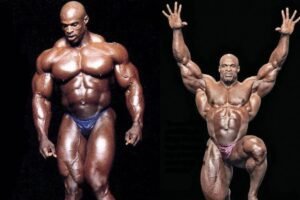
At its most visible, it looks like a distended, rounded stomach on an otherwise lean and muscular body. The athlete might have visible abs — even a sharp six-pack — but the entire midsection pushes outward. It isn’t fat. It isn’t temporary bloat from a big meal. In severe cases, it’s a structural change to the body that no amount of dieting will reverse on its own.
One thing that often surprises people: bubble gut wasn’t really a recognized issue before the mid-1990s. Bodybuilders from the golden era — Arnold Schwarzenegger, Frank Zane, Bob Paris — used anabolic steroids and had famously narrow, tight waists. Something changed around the late 1980s and early 1990s when two specific substances became more widely available: human growth hormone and insulin.
The timing isn’t a coincidence. Most researchers and coaches who’ve studied the condition point to those two drugs as the primary culprits.
Human Growth Hormone (HGH) Abuse and Organ Growth
Human growth hormone became more accessible to athletes in the late 1980s. Bodybuilders began incorporating it into their drug protocols at increasingly aggressive doses, chasing greater muscle mass and faster recovery between sessions.
The problem is that HGH doesn’t just grow muscle. It grows everything.
At therapeutic doses, HGH is studied, relatively well-understood, and prescribed for specific medical conditions. But at the supraphysiological doses used by competitive bodybuilders — often far exceeding any clinical prescription — HGH stimulates the growth of internal organs. That includes the intestines, liver, kidneys, and heart.
Research looking at animals with elevated growth hormone levels found significant increases in the weight and length of the small bowel, along with a 50–100% increase in mucosal mass. When you scale that kind of tissue response to the doses some bodybuilders use over years, the results on the human digestive system can be considerable.
HGH also stimulates the release of insulin-like growth factor-1, or IGF-1. This compound is the primary driver of tissue growth throughout the body. Chronically elevated IGF-1 levels — from sustained exogenous HGH use — mean organ and tissue growth continues beyond what the body would normally allow.
The end result? Enlarged intestines and abdominal organs that push against the abdominal wall from the inside. A lean, shredded bodybuilder ends up with a protruding gut that no vacuum exercise or core training will fix, because the issue is internal and structural — not muscular.
This is why the condition is commonly called HGH gut. The drug is one of the most significant contributors to what causes bubble gut in competitive bodybuilding.
Insulin Abuse: Nutrients Going Everywhere They Shouldn’t
Insulin became popular in bodybuilding around the same period as HGH. The appeal is straightforward. Insulin drives nutrients — amino acids, glucose, and other compounds — into cells at a faster rate. More nutrients entering muscle tissue means more potential for muscle growth and recovery.
The problem is that insulin doesn’t discriminate. It pushes nutrients into all tissues, not just skeletal muscle. That includes the muscles of the abdominal wall — the rectus abdominis, transverse abdominis, and internal obliques — which thicken and grow as a result.
Insulin also promotes fat storage behind the abdominal wall and around the internal organs — what’s clinically referred to as visceral fat. This layer of visceral fat adds further volume to the midsection, making the gut appear even more distended despite the athlete having minimal subcutaneous fat visible on the surface.
When bodybuilders stack HGH and insulin together — which is common practice because the two substances amplify each other’s effects — the combined impact on the midsection can be severe. Lower doses of each substance produce effects greater than either would alone. This synergy between the two drugs accelerates organ growth, muscle hypertrophy of the deep abdominal wall, and visceral fat accumulation simultaneously.
The result is a physique that carries an enormous amount of internal abdominal volume, even at very low body fat percentages.
High-Calorie Diets and Chronic Overeating
Drug use alone doesn’t tell the full story. Diet is a major contributing factor, and it applies to lifters well outside the competitive bodybuilding world.
Top-level competitive bodybuilders consume staggering amounts of food. Some take in upward of 10,000 calories per day during a bulking phase. Even recreational bodybuilders serious about building mass often eat volumes that most people would consider extreme. All of that food has to move through the digestive system, and when the gut can’t process it efficiently, food stays in the stomach and intestines longer than it should.
That delayed gastric emptying causes visible distension. It’s temporary at first — a bloated gut after a massive meal. But done consistently over months and years, that chronic overstretching of the stomach and intestines contributes to a gut that sits further forward at all times.
High-carbohydrate intake adds another layer to the problem. Glycogen — the stored form of carbohydrates in muscle and liver — draws water into the tissue. Large glycogen stores mean more water retention throughout the body, including around the midsection. The result is a fuller, more bloated look that gets worse as carbohydrate intake climbs.
Some bodybuilders also use a technique called carb loading or glycogen loading in the days before competition. They first deplete carbohydrates and water — sometimes using diuretics — then flood the system with both in a short window to maximize muscle fullness on stage. When mistimed or overdone, this process slows digestion significantly and can cause dramatic gut distension right before competing.
Eating speed matters too. Rushing through meals means swallowing more air alongside food, which adds gas to the digestive tract and worsens bloating. Combined with the sheer volume of food many bodybuilders consume, the cumulative digestive stress is enormous.
This is also why the condition isn’t limited to steroid users. Any person who chronically overeats — particularly high-volume, processed, or hard-to-digest food — can develop a persistently distended midsection over time.
Core Muscle Hypertrophy: The Overlooked Factor
Here’s something that doesn’t get enough attention when people discuss what causes bubble gut: the muscles themselves.
The rectus abdominis — the visible six-pack — is only part of what makes up the midsection. Beneath it sit the transverse abdominis and the internal obliques. These deeper muscles, when they grow significantly, push the outer abdominal wall forward. Add the external obliques along the sides, and heavy oblique training can cause the entire waist to thicken and widen.
In natural lifters, this tends to be subtle. But in bodybuilders combining heavy compound training with HGH and insulin, the deep abdominal muscles grow right alongside the surface-level ones. The entire midsection expands outward rather than simply adding definition.
This creates the “blocky” waist look that characterizes many modern bodybuilders. It’s not just a protruding belly — it’s the entire waist structure becoming thicker and harder to pull in. A bodybuilder with significant Palumboism often can’t perform a proper stomach vacuum because the muscles underneath are too hypertrophied and the internal pressure from organ growth is too high.
Avoiding heavy loaded oblique exercises — side bends with a barbell or dumbbell, for instance — is one practical step for natural lifters concerned about waist width. Core stability work like planks and ab vacuums keeps the deep muscles functional without adding unnecessary bulk to the sides.
Gut Health and Microbiome Disruption
Research on this specific angle is still limited, but the connection is real. The drugs, supplements, and dietary habits common in competitive bodybuilding can seriously disrupt the gut microbiome — the balance of bacteria living in the digestive tract.
Anabolic steroids, antibiotics (commonly used by some athletes to manage injection site infections), and large amounts of protein supplements with artificial sweeteners all affect the gut bacterial environment. Dysbiosis — a disrupted bacterial balance — leads to increased intestinal inflammation, slowed digestion, and chronic bloating.
The digestive system wasn’t built to handle industrial-scale protein loads, dozens of daily supplements, and sustained drug use simultaneously. Over time, that kind of abuse shows up as a gut that doesn’t function the way it should — more gas, more bloating, slower transit time, and a midsection that’s chronically distended even when body fat is low.
Even for natural lifters, heavy reliance on protein powders, carbonated drinks, and processed foods with artificial additives can degrade gut health over time and contribute to stubborn abdominal bloating.
Symptoms and Signs to Watch for
Bubble gut doesn’t develop overnight. It builds up gradually, which is partly why competitive bodybuilders sometimes don’t notice how significant the change has become until they look back at older photos.
The most obvious sign is a stomach that protrudes outward even at low body fat. On stage, this looks like the athlete has a pregnancy-like belly despite having visible muscle definition everywhere else. The midsection appears rounded rather than flat, and the waist tends to look thicker and less tapered from the front.
Another sign is the inability to perform a stomach vacuum. Athletes who previously had tight, controllable midsections find that they can no longer draw their abs in the way they used to. The deep muscles and internal pressure make it physically difficult to compress the abdomen.
For everyday lifters, milder symptoms include persistent bloating after meals, a midsection that always looks fuller than expected for your current body fat level, and discomfort after large meals. Food intolerances often play a role in these cases, and identifying trigger foods can help considerably.
Can Natural Lifters Get Bubble Gut?
This comes up a lot, and the honest answer is: partially, yes.
True Palumboism — with the significant organ enlargement that causes severe abdominal distension — is largely limited to bodybuilders using HGH and insulin in large amounts over extended periods. The organ growth that drives the most extreme cases simply doesn’t happen without those drugs. Testosterone-based anabolic steroids have been used in bodybuilding for over 50 years and don’t appear to cause the same abdominal distension on their own.
But natural lifters can absolutely develop a distended midsection that mimics some of the visual effects of bubble gut. Chronic overeating, heavy oblique training, poor gut health, food intolerances, and significant body fat — even at moderate overall levels — can all contribute to a bigger-looking belly even at relatively low body fat.
If your stomach seems to protrude more than it should despite consistent training and a decent diet, it’s worth examining gut health, food intolerances (particularly lactose and gluten), eating speed, and whether you’re chronically overeating during a bulk.
How to Prevent or Reduce Bubble Gut
Prevention and management look different depending on the cause, but the underlying principles are consistent.
Reduce or eliminate HGH and insulin use. For competitive bodybuilders, this is the most direct intervention. The abdominal distension caused by these substances is largely dose-dependent. Lower doses mean less organ stimulation and less visceral fat accumulation. Stopping HGH use doesn’t reverse existing organ growth overnight, but it prevents the condition from progressing further.
Control carbohydrate intake. High carbohydrate diets, especially when combined with insulin use, drive water retention and gut distension. Moderating carbohydrate intake — particularly refined, high-glycemic sources — reduces both glycogen-related water retention and digestive stress. When cutting, maintaining protein from whole food sources like meat and eggs while reducing carbohydrates also helps keep food volume manageable.
Eat slower and smaller meals. Eating quickly increases the amount of air swallowed with food, adding to gas and bloating. Spreading total daily intake across more meals keeps food volume lower at any one time, which reduces the stretch on the stomach and intestines. This is one of the more unglamorous fixes for bubble gut, but it genuinely works.
Support gut health with probiotics and prebiotics. Rebuilding a healthy gut microbiome takes time, but it pays off in better digestion, less bloating, and a more comfortable midsection. Fermented foods, fiber from vegetables, and limiting antibiotic use where possible all help. Cutting back on artificial sweeteners found in many protein powders reduces gut irritation over time.
Skip heavy oblique training. If keeping the waist tight is a priority, loaded oblique exercises are counterproductive. Side bends, heavy cable oblique work, and exercises that directly hypertrophy the external obliques will widen the waist over time. Replace them with core stability exercises — ab vacuums, planks, and transverse abdominis activation work.
Consider intermittent fasting. Structured eating windows reduce the total volume of food going through the digestive system at any given time and give the gut a real break between feeding periods. Research supports intermittent fasting as effective for fat loss while preserving lean mass — and for bodybuilders managing gut distension, the lower food volume is a practical benefit.
Stay hydrated. Chronic dehydration leads the body to retain water in unexpected places and slows digestion. Consistent water intake keeps things moving and reduces the paradoxical bloating that comes from not drinking enough.
Manage stress and sleep. These two factors are mentioned constantly in fitness advice — because they consistently matter. Chronic stress elevates cortisol, which drives visceral fat accumulation specifically around the midsection. Poor sleep slows recovery and worsens the hormonal environment that contributes to gut issues. There’s no supplement that fixes inadequate sleep or unmanaged stress.
Wrapping Up
Understanding what causes bubble gut is about more than aesthetics — it’s about understanding what long-term abuse of certain substances and eating patterns does to the body. In most severe cases, the answer comes down to HGH and insulin abuse combined with extreme caloric intake, deep muscle hypertrophy, and years of digestive stress. For competitive bodybuilders, those factors compound each other in ways that produce the extreme abdominal distension associated with Palumboism.
For natural lifters and everyday gym-goers, the same principles apply at a smaller scale. Overeating, poor gut health, heavy oblique training, and food intolerances can all contribute to a midsection that looks and feels more distended than it should.
The good news is that most of the dietary and lifestyle causes are fully reversible. Clean up the diet, slow down at meals, support gut health, and skip the exercises that widen the waist. Those changes make a real difference.
For drug-using athletes, the path is harder — but it still starts with reducing the substances driving the problem. What causes bubble gut isn’t a mystery anymore. The harder part is having the discipline to avoid those causes in the first place, or address them honestly when they’ve already taken hold.
Frequently Asked Questions
Q1) What Causes Bubble Gut in Bodybuilders?
The main drivers are HGH and insulin abuse. Both substances were introduced into competitive bodybuilding in the late 1980s and 1990s, and that’s exactly when distended midsections started showing up on stage. Before that, even heavy steroid users had tight, narrow waists.
Organ growth from HGH, visceral fat from insulin, and chronic overeating all stack on top of each other.
Q2) Is Bubble Gut the Same As Palumboism?
Yes. Palumboism is just the clinical-sounding name for the same condition. It’s named after bodybuilder Dave Palumbo, who became associated with the look in the 1990s. Most people in the fitness world use “bubble gut,” “HGH gut,” and “Palumboism” interchangeably.
Q3) Can You Get Bubble Gut Without Using Steroids or HGH?
To a degree, yes. True Palumboism — with significant organ enlargement — requires HGH and insulin use. But a distended midsection that looks similar can develop from chronic overeating, poor gut health, heavy oblique training, and food intolerances.
Natural lifters aren’t immune. The causes are just different.
Q4) Why Did Golden-Era Bodybuilders Have Smaller Waists if They Used Steroids?
Because they weren’t using HGH or insulin. Testosterone-based steroids have been around in bodybuilding for over 50 years and don’t appear to cause the same abdominal distension on their own. The bubble gut problem appeared specifically after HGH and insulin entered the picture. That timing is hard to ignore.
Q5) What Causes Bubble Gut in Everyday Gym-Goers Who Don’t Use Drugs?
For regular lifters, the most common causes are eating too much too often, food intolerances (lactose and gluten are big ones), swallowing excess air during meals, and disrupted gut bacteria from poor diet or heavy supplement use.
Heavy oblique training can also widen the waist over time, which adds to the blocky, distended look.
Q6) Does Bubble Gut Go Away if You Stop Using HGH?
It depends on how advanced the condition is. Stopping HGH prevents further organ growth and can reduce some of the distension over time. But significant organ enlargement that’s already occurred doesn’t fully reverse. The earlier the drug use is stopped, the better the outcome.
For diet-related distension in natural lifters, improvements happen much faster once eating habits change.
Q7) Is Bubble Gut Dangerous?
Organ enlargement from long-term HGH abuse carries real health risks — enlarged heart, digestive complications, and hormonal disruption among them. It’s not just a cosmetic issue for heavy users.
For natural lifters dealing with bloating and mild distension from diet, the health risks are lower but still worth addressing. Chronic gut inflammation and poor digestive health have downstream effects that go beyond how your stomach looks.
Q8) Does Training Your Abs Make Bubble Gut Worse?
Not directly. But training the obliques with heavy loads — side bends, loaded oblique crunches — thickens the sides of the waist and makes the midsection look blockier. That adds to the visual effect of a distended gut.
Stick to core stability work like planks and ab vacuums if keeping the waist tight is a priority.
Q9) What’s the Fastest Way to Reduce Bubble Gut?
For drug users, reducing HGH and insulin dosages is the most direct step. For everyone else, slowing down at meals, cutting back on processed food and carbonated drinks, eating smaller portions more often, and adding probiotics to support gut health all move the needle.
None of it is dramatic. But done consistently, the difference is noticeable.
Q10) Why Do Some Pro Bodybuilders Still Compete With Obvious Bubble Gut?
Honestly, because judging criteria in some federations have historically rewarded extreme mass over proportion. When size scores higher than a tight waist, athletes make the trade-off.
That’s slowly changing. Several organizations now penalize excessive gut distension. Whether the sport fully course-corrects is a different question — but at least what causes bubble gut is better understood now than it was 30 years ago.