Almond Avocado Matcha Smoothie Recipe to Power Your Gains
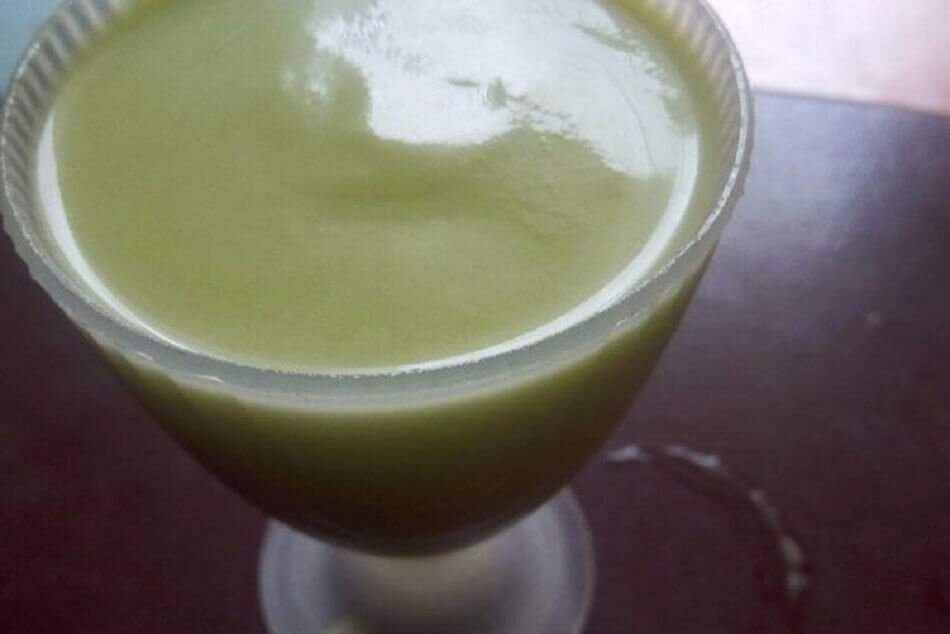
If you’re serious about recovery nutrition and not just shaking your way through pre-mixed powders, this one is worth your attention. The almond avocado matcha smoothie recipe sits in a category of its own. It’s not just a green drink. It’s a deliberate stack of macros, antioxidants, and adaptogens built around what your body actually needs post-session.
Every ingredient has a job. Nothing in here is filler.
Why Matcha Does More Than Color This Drink Green
Matcha isn’t a trendy add-in. It’s been central to Japanese tea ceremonies for centuries — not because people needed a wellness ritual, but because ground green tea leaves carry a compound profile that nothing else matches.
L-theanine pairs with caffeine to produce clean, sustained focus without the cortisol spike coffee can trigger. For anyone training hard and trying to keep inflammation down, that matters. The catechin EGCG gets the most research attention for good reason — it has real thermogenic and antioxidant effects. It won’t turn matcha into a fat burner, but it earns its place here.
Skip the cafe matcha — heavily sweetened, barely classifiable. One teaspoon of quality ceremonial grade powder per smoothie is the right dose.
What Avocado Actually Brings to the Blender
Most lifters think of avocado as guacamole territory. That’s a miss.
Half an avocado, skin and seed removed, adds roughly 10-12 grams of monounsaturated fat — the exact fat profile you need for hormone production, joint lubrication, and fat-soluble nutrient absorption. It also creates a creaminess that protein powder alone can’t replicate.
And it won’t spike your insulin. That matters when you’re after steady energy rather than a post-drink crash.
Why Red Lettuce Belongs in This Recipe
This is the ingredient people skip when they remix the formula. Don’t.
Red lettuce delivers folate, vitamin K, and beta-carotene with almost no caloric cost. The red pigments — anthocyanins — add a solid antioxidant hit. You won’t taste it. But it works. The case for dark leafy greens in serious training nutrition is covered in depth at spcfitz.com, and the research is consistent.
Almond Butter vs. Whole Almonds
One tablespoon of almond butter does something different than a handful of almonds in a blender. Blending distributes the fat evenly, improving both texture and how consistently the nutrients absorb.
You also get vitamin E, magnesium, and a small additional protein hit. Paired with whey, you end up with both fast and slower-digesting amino acids covering a longer recovery window. That matters more in a post-workout shake than most people give it credit for.
The Pear: Not Just for Sweetness
Pear works. It naturally sweetens the drink without a glycemic spike, and it brings fiber that slows digestion slightly — which keeps you full longer than fruit-juice-based smoothies do.
It also blends cleanly with matcha. Some fruits fight the flavor. Pear doesn’t.
Ingredients of Almond Avocado Matcha Smoothie
- 50 Gram Red lettuce.
- Half Avocado without skin and seed
- 1 Pear
- 1 Tbsp Almond Butter
- 1 Tsp powdered Matcha
- 1 Scoop of Whey Protein (Oatmeal Cookie flavor preferable)
- 130 Ml Skimmed milk
- 1 Cup of Ice.
How to Build It
Add everything to a blender. Blend until smooth and creamy.
Start with liquids and greens, then layer in the avocado, pear, and almond butter, and add the protein and matcha last. This order prevents dry powder pockets and gets you a cleaner blend.
Drink it immediately. Matcha oxidizes, and the nutrient profile drops sitting in the fridge.
The Protein Stack Worth Understanding
One scoop of whey — depending on the brand — lands around 20-25 grams of protein with a complete amino acid profile and fast absorption. Oatmeal cookie flavor works specifically because it complements the matcha instead of fighting it. Vanilla also works. Chocolate overwhelms everything.
Between the whey, almond butter, and milk, you’re clearing 30+ grams of protein without any effort.
Skimmed Milk and Why It Makes Sense Here
Full-fat milk would fight the avocado fats — both texturally and calorically. Skimmed milk keeps the drink in a sensible caloric window while still delivering casein and whey from a dairy source, plus calcium and vitamin D.
130ml hits the right consistency. Any more and it thins out too much.
Wrapping Up
The almond avocado matcha smoothie recipe is built for people who think about what they put in their body, not just how much protein it contains. Every ingredient earns its place — matcha for antioxidants and focus, avocado for healthy fat and texture, red lettuce for micronutrients, and whey for recovery.
If you want more performance-focused recipes built on the same logic, spcfitz.com covers the full spectrum of training nutrition without filler.
The almond avocado matcha smoothie recipe deserves a permanent spot in your post-training rotation. Try it as written before you start swapping ingredients — the balance between components is tighter than it looks.
Frequently Asked Questions
Q1) Can I Make the Almond Avocado Matcha Smoothie Recipe the Night Before?
Not really, no. Matcha oxidizes quickly once it’s blended, and avocado browns. You can prep everything — measure, peel, slice — and refrigerate the components separately. Blend it fresh in the morning. It takes two minutes.
Q2) What if I Don’t Have Whey Protein? Can I Use a Plant-Based Substitute?
You can swap in a plant-based protein, but the texture will shift. Pea protein tends to go grainy. Hemp works better here because the fat content helps it blend smoothly with the avocado. Just keep in mind the amino acid profile won’t be identical to whey, so post-workout recovery won’t be quite the same.
Q3) Is Skimmed Milk the Only Option, or Can I Use a Dairy-Free Alternative?
Unsweetened oat milk or almond milk works fine. Avoid coconut milk — it’s too heavy with the avocado already in there, and the fat content tips out of balance. Skimmed milk was chosen specifically to keep the caloric load reasonable without sacrificing texture.
Q4) How Much Caffeine Is Actually in This Smoothie?
One teaspoon of matcha has roughly 35-70mg of caffeine depending on the grade and brand. Less than a cup of coffee, but because of the L-theanine, the effect feels different — smoother, longer-lasting. If you’re caffeine-sensitive or training in the evening, just cut the matcha to half a teaspoon.
Q5) The Recipe Uses 50g of Red Lettuce. Does the Type of Lettuce Matter?
Red lettuce was chosen deliberately, not randomly. The red pigmentation comes from anthocyanins, which have antioxidant properties that green lettuce varieties don’t match at the same level. If you swap it for romaine or iceberg, you lose that. Spinach is a reasonable alternative if red lettuce isn’t available — the nutrient profile is comparable, though the flavor is slightly stronger.
Q6) Can I Use a Different Fruit Instead of Pear?
Pear was picked because it blends cleanly with matcha without overpowering it. Apple works similarly. Banana makes the whole drink taste like a banana smoothie, which might be fine if that’s what you want, but it changes the character of the recipe considerably. Mango fights the matcha. Stick with pear or apple if you want the flavor balance to hold.
Q7) Is This Smoothie Suitable as a Meal Replacement?
It’s substantial — around 400-450 calories depending on your protein powder — with solid fat, fiber, and protein. For a lot of people, that works as a post-workout meal, especially for morning training when appetite is low. It’s not a full dinner replacement. But as a recovery meal after a session? It holds up.
Q8) What’s the Best Matcha to Use in the Almond Avocado Matcha Smoothie Recipe?
Ceremonial grade gives you the cleanest flavor and the best nutrient density, but it’s also the most expensive. Culinary grade works and blends just as well — the difference shows up in flavor more than nutrition. Whatever you buy, check that it’s stone-ground and comes from Japan. A lot of “matcha” products on the market are cut with other green tea powders and aren’t worth the money.
Q9) How Do I Prevent the Smoothie From Tasting Too Bitter?
Two things cause bitterness here — too much matcha and low-quality matcha. One level teaspoon is the ceiling. Go beyond that and it turns harsh. The pear and whey protein (especially oatmeal cookie flavor) do enough to offset the bitterness at the right ratio. If it’s still too sharp for you, half a teaspoon is completely fine.
Q10) How Many Times a Week Can I Have This Smoothie?
Daily is fine. There’s nothing in the almond avocado matcha smoothie recipe that becomes a problem with regular use — the fat from avocado is the right kind, the matcha dose is well within safe limits, and the protein load is moderate. Some people rotate it with other post-workout options just to keep variety. That’s a preference thing, not a nutrition requirement.